When you’ve been in the country music world as long as Tim McGraw, every year becomes increasingly filled with important career milestones. On August 25, 2025, McGraw took to Instagram to celebrate a meaningful anniversary. His hit song, “Live Like You Were Dying,” turned 21 in 2025. “Twenty-one years later, and this song still means so much because of you!!” McGraw wrote in a heartfelt caption. The Reel included multiple clips of fan-generated content featuring the beloved song, and fans couldn’t wait to celebrate alongside the country star in the comments section.
“This is probably one of my favorite songs by him,” one fan wrote. “It brings me to tears.” Many others agreed that the song is emotionally powerful. “There are very few songs that can make you choke up with emotion, time after time,” another fan said. “This is one of them.” Based on fan responses, the song has clearly touched a lot of lives in a positive way.
McGraw Released the Song in 2004
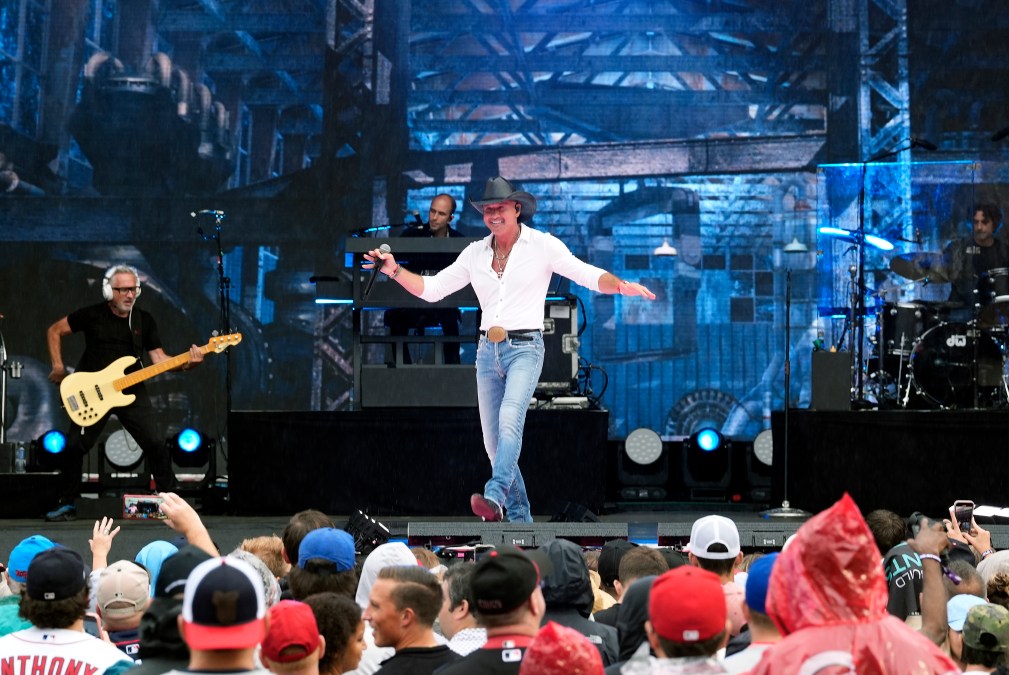 Getty
Getty“Live Like You Were Dying” first hit the airwaves in 2004, and it quickly became a massive hit for McGraw. As Billboard reported, it became the Hot Country Songs hit of the year, despite being released in the summer. The song appears on an album of the same name, which was certified platinum four times over.
Of course, a song that generates so much buzz puts any artist in award contention, and McGraw came out on top that year. As The Boot reported, the song won Single of the Year and Song of the Year at the ACMs and CMAs. McGraw also snagged two Grammy’s for the irresistible hit.
The Recording Process was Especially Meaningful
 Getty
Getty“Live Like You Were Dying” wasn’t just another song; the recording process had special meaning for McGraw. As Whiskey Riff reported, he revealed the story behind the song in an interview with actor Matthew McConaughey. ‘Live Like You Were Dying’ was one of those songs that came at a very traumatic time in my life,” the singer explained. “It showed up and was sent to me in the middle of my father’s diagnosis of glioblastoma brain cancer and going through all of his treatments.”
Although he struggled at first with whether or not to record the song, McGraw decided that it was a fitting tribute to his father, who he met later in life. As he went on to share, the song recording process took place late at night, with his uncle (his late father’s brother) in attendance. “That’s got to be one of the most special memories I have of making any music anywhere,” McGraw said. Since then, the song has become part of special memories for countless fans.