Some songs are born twice. The first time, alone — a guitarist recording late into the night in a private studio. The second, before a band that would take that music somewhere extraordinary. Physical Graffiti is one of the most celebrated double albums in rock history, and one of its most emotionally resonant tracks almost stayed an instrumental forever. This week, fans can finally hear what that would have sounded like.
On March 29, Jimmy Page uploaded a video to his official YouTube channel that changes how listeners understand one of rock’s most iconic records. He called it “a footnote to Physical Graffiti.” The recording is raw and unhurried. It reveals something that lifelong fans have never been able to access before — the moment “Ten Years Gone” existed only as a piece of music, long before it became a personal confession. Fans who want deeper context on Led Zeppelin’s history can read more here.
The Demo Page Recorded Before the Band Heard It
Page recorded the original instrumental at his home studio at Plumpton Place and later presented the rough mix to the band at Headley Grange. In his YouTube message, Page wrote that he brought the demo to the band “in order to do this for real.” The track was always intended as an instrumental. Page stacked approximately 14 guitar tracks to build the harmony section — a layering approach that producer Rick Rubin once described as sounding like “nature coming through the speakers.”
What the demo reveals is that the emotional architecture of the final song was already fully formed at home. The structure, the weight and the harmonic complexity are all present in that first private recording. Physical Graffiti, released on February 24, 1975, reached platinum status immediately upon release and has since been certified 17 times platinum in the United States. “Ten Years Gone” sits at the emotional center of the album’s second side, carrying a depth of intimacy unlike anything else on the record.
How Robert Plant Turned a Guitar Piece Into a Confession
 Getty
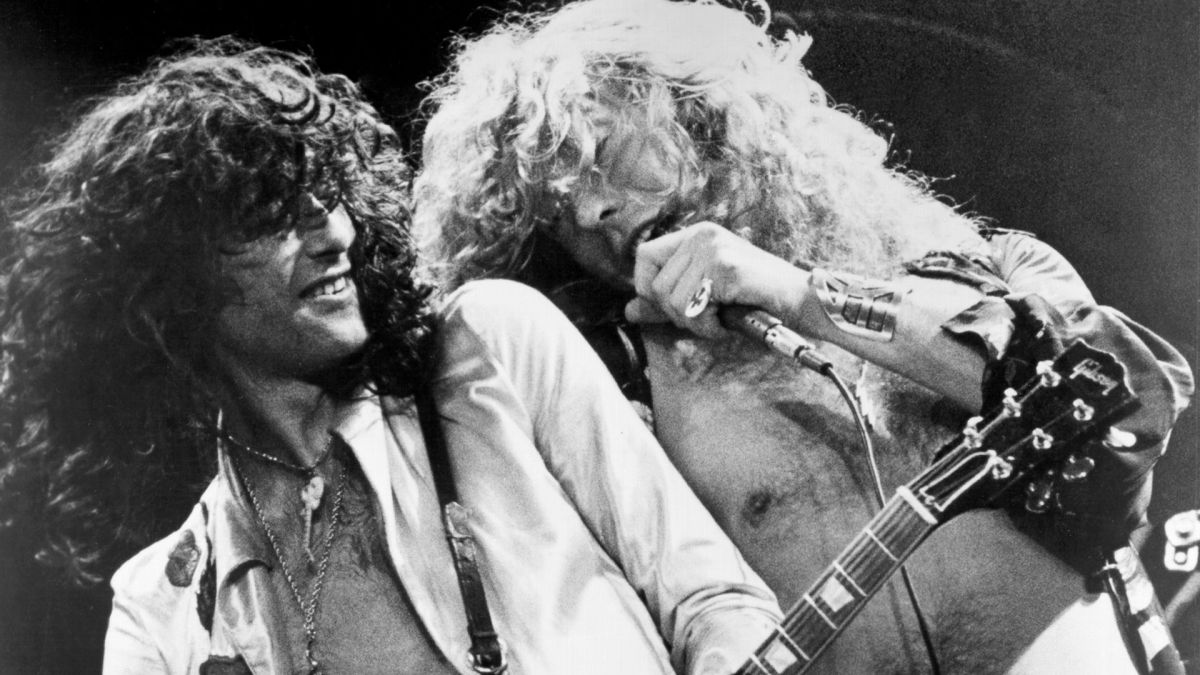
GettyRobert Plant transformed the instrumental into something far more personal. In a 1975 Rolling Stone interview, Plant revealed that the lyrics were written about a former girlfriend who asked him to choose between her and his music before Led Zeppelin even formed. He chose music. The song became his way of revisiting that decision, a decade later. Page confirmed in his YouTube message that Plant “came up with some lyrics for my music that were extraordinary.”
This is the second home demo Page has shared publicly. In March 2023, he released “The Seasons,” his original instrumental version of “The Rain Song” from Houses of the Holy, following the same creative arc — a quiet, solo recording that eventually became something much larger. Led Zeppelin remains one of the most enduring acts in rock history, as recognized in the Rock and Roll Hall of Fame’s continuing celebrations of its legacy.
The release of this demo gives fans a rare and direct look into Led Zeppelin’s most intimate creative process. Page appears to be methodically building a public record of the band’s foundational recordings, one song at a time. For anyone who has ever felt something they could not name while listening to Physical Graffiti, this demo may finally explain why.