


Anime has a type. She is introduced as the strongest warrior anyone has ever seen. Her skills are established fact. Her presence on the battlefield changes outcomes. And then, over the course of twelve episodes, the show finds reasons to sideline her, soften her, or quietly redirect her strength into supporting someone else’s arc.
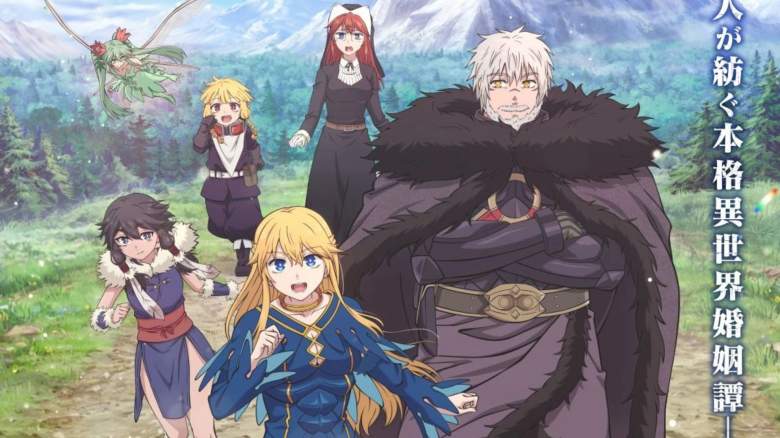
The Warrior Princess and the Barbaric King arrived on Crunchyroll on April 9 with a protagonist who fits that exact description. One episode in, there are clear signs Serafina de Lavillant may be the rare version of this character who actually gets to stay what the show says she is.
The Pattern Has a Name
The strongest-female-warrior archetype has a well-documented trajectory in anime. Asuna Yuuki in Sword Art Online is introduced as a top-ranked fighter whose skills match the male lead’s. By the Fairy Dance arc, she spends multiple episodes in a cage waiting to be retrieved. The series never fully restores her as an independent agent. Rem in Re:Zero — currently back for its fourth season on Crunchyroll — is framed early as a combat powerhouse, then steadily reoriented around devotion to Subaru. Her strength becomes a vehicle for his story rather than her own.
What makes this pattern so durable is that it rarely happens all at once. It accumulates in small decisions: she arrives too late to change the outcome, she is captured at a plot-critical moment, her feelings for the lead override her judgment in a fight she should win. Each choice reads as minor. The cumulative effect is that the character introduced as the strongest person in the room gradually stops being the protagonist of her own story.
What Serafina’s Fears Actually Tell You
Serafina de Lavillant is twenty-six years old and has spent seven years commanding a military campaign. She is not a promising talent or a hidden prodigy. She is a proven veteran whose abilities are established before the first scene ends. When she is captured, she does not freeze or break. She catalogues her environment, assesses threats, and waits.
But here is the detail episode one buries in a flashback that most coverage has skimmed past: Serafina’s fears about captivity are not fears of the enemy. They are a precise inventory of what her own family expected for her. Her father lamented that she was not born male. Her brother told her she belonged pregnant and away from the battlefield. When she imagines what Veor might do to her, she is drawing from the template her own kingdom provided — not from anything Veor has actually demonstrated.
That is structurally significant. Her strength was never in question for her captors. It is exactly why Veor sought her out. The threat to her identity as a warrior came entirely from the civilized kingdom she bled for — not from the people the title calls barbaric. The premiere breakdown covers the full setup, but that inversion is the key to understanding why Serafina’s arc has more room to breathe than most.
Why This Version Might Actually Hold
The clearest signal that Warrior Princess intends to treat Serafina’s strength seriously is the consent architecture the show builds around Veor. He does not merely refrain from harming her. He explicitly states he will not act without her agreement and apologizes when he picks her up without asking. In a genre where a male lead’s physical authority over a captured woman is routinely framed as protective and therefore acceptable, this is a meaningful structural choice.
Serafina is not being kept safe by someone who could hurt her but chooses not to. She is being treated as someone whose agreement is the actual requirement. That is a different premise entirely. Her strength has not been suspended for the duration of captivity. The show is not asking you to wait for her to reclaim it later. It never removed it.
Spring 2026’s strongest anime are defined by exactly this kind of foundational structural care — and the season is already one of the most competitive in years. Whether Warrior Princess sustains it across a full season is now the most interesting open question in character writing this spring.
What Else to Know
- Serafina’s kingdom is established as the military aggressor — her side invaded the east for land and resources, which means she spent seven years fighting a war her own nation started.
- The eastern tribe’s practice of marrying warrior women predates Serafina — Veor states it is a cultural tradition, not a personal exception made for her specifically.
- Sayumi Suzushiro, voicing Serafina, is already drawing more praise in early reviews than the animation itself — a performance carrying the show’s emotional weight from the first scene.
- The original Japanese title, Himekishi wa Barbaroi no Yome, places Serafina as the grammatical subject of the story — “The Princess Knight Is the Barbarian’s Bride” — while the Crunchyroll localization shifts the headline to the king.
- The studio delayed the series from October 2025 to April 2026 for quality improvements, with production care cited publicly — a signal of investment in the character work, not just the action sequences.






Comments
Anime Keeps Promising the Strongest Female Warrior. Serafina Is Actually Her.