Paris Hilton, a reality TV trailblazer who spent years in the spotlight, is now speaking openly about her mental health and the emotional weight she carried for years.
In a candid conversation on Dear Media’s podcast “The Skinny Confidential Him & Her Show,” Hilton reflected on growing up with ADHD and her experience with rejection-sensitive dysphoria.
Understanding Rejection Sensitive Dysphoria & ADHD
 Getty
GettyAs per a report in The Daily Mail, Hilton sat down with hosts Lauryn Bosstick and Michael Bosstick for a candid, wide-ranging discussion that delved into identity, a late ADHD diagnosis, and the emotional weight of feeling misunderstood for much of her life.
She shared that she was officially diagnosed with ADHD in her late 20s, a moment that finally brought long-overdue clarity. With that diagnosis came an understanding of rejection-sensitive dysphoria, commonly known as RSD.
Rejection sensitivity dysphoria involves feeling “intense emotional pain related to rejection,” according to the Cleveland Clinic.
To provide further context, WebMD explains the condition as: “RSD doesn’t have an official set of symptoms and isn’t a formal medical diagnosis. But doctors and therapists often use the term when they notice exaggerated reactions connected to an official behavioral condition like ADHD.”
Hilton said the description immediately resonated with her own experience.
“It’s almost like a demon in your mind that is like saying negative self-talk to you,” she said.
Hilton acknowledged that she did not initially know what RSD was. After speaking with “so many people” who also live with ADHD, she realized how widely shared the experience truly is. Finding that sense of connection, she said, has been “helpful.”
‘So Extremely Painful’: Hilton Reflects on the 2000s
 Getty
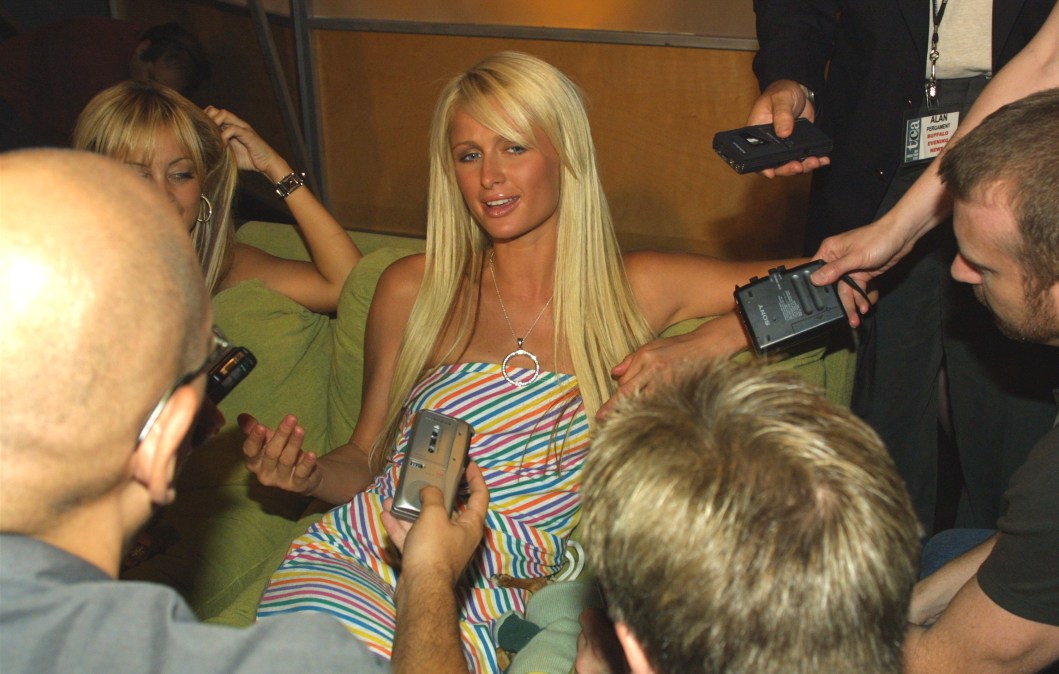
GettyIn a deeply vulnerable and candid confession, she also shared how her symptoms shaped some of the most public chapters of her life.
“I’ve been through so many things in my life, and especially in the 2000s, just everything I was going through with the media and suffering from this RSD with ADHD, it was like so, so extremely painful,” she said.
While her reality TV success on “The Simple Life” and “Paris in Love” made her a household name, Hilton has acknowledged that the spotlight often intensified the private struggles she faced behind the cameras. (The episode is set to air on January 26.)
How Hilton Learned to See ADHD as Her Superpower
Now, Hilton has grown more open and confident about discussing her ADHD. For her, the struggle is not viewing the diagnosis as a setback but as a key to understanding herself.
In an October 2025 interview with people, she explained how learning how her brain works reshaped her sense of identity.
“I wouldn’t be the person that I am today without it,” she said.
She added, “I just really wanted to share strategies and different things that I’ve learned from managing my ADHD, both in my personal and professional life, and I really hope by sharing my experiences it can help reduce the stigma of ADHD and make neurodiversity relatable,”
Hilton on Growing Up With ADHD: ‘No One Was Talking About It’
Hilton also reflected on growing up without answers at a time when ADHD was rarely discussed, leaving her to struggle quietly.
“For me growing up, like no one was talking about ADHD,” she told People in October 2025. “It was so difficult for me to remember things. I would constantly lose my homework get in trouble with the teachers.”
“I just felt like something was wrong with me, and I’d just be sad, but then I would just mask or, like, kind of try to act like nothing’s wrong on the inside … I was just going through so many emotions.”
Now, Hilton sees that journey differently and with purpose.
“I’m learning so much, and I just wish that I knew all I know now, back when I was a kid growing up in school, but I’m doing this for the little girl in me,” she said.
“Now I see it as a superpower, and I wouldn’t be the person that I am today without it. I’m such a creator. I’m constantly thinking of new ideas.”
Now unafraid to share her story, Hilton says speaking out is about turning years of confusion into clarity and showing others that what once felt like a burden can become a source of strength.
(Please note: If you or someone you know is struggling with mental health challenges, help is available. In the U.S., you can call or text 988 to reach the Suicide & Crisis Lifeline for free, confidential support, 24/7. If you are outside the U.S., local mental health resources are available in most countries through national health services and trusted organizations.)