


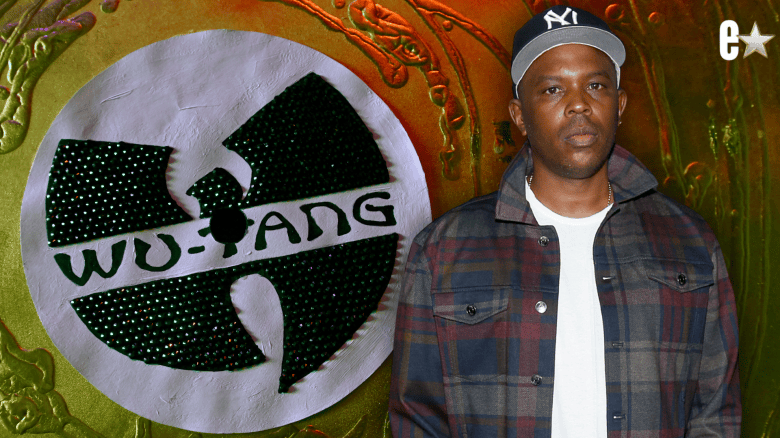
Oliver “Power” Grant, the influential business force behind the Wu-Tang Clan’s rise and the founder of the pioneering Wu Wear brand, passed away on February 23. He was 52. A cause of death had not been publicly disclosed. Method Man confirmed his death.
Method Man Pays Tribute to Oliver ‘Power’ Grant After His Death
Method Man shared an emotional Instagram tribute. The two appeared together in the films “Belly” and “Black and White” during the late 1990s.
“Paradise, my brother, safe Travels!! 💔💔🤬 #pookie #power,” he wrote alongside a photograph of them together.
Grant was not a performing member of the Wu-Tang Clan, but his impact on the group’s rise was undeniable.
Tributes Pour In for Oliver “Power” Grant
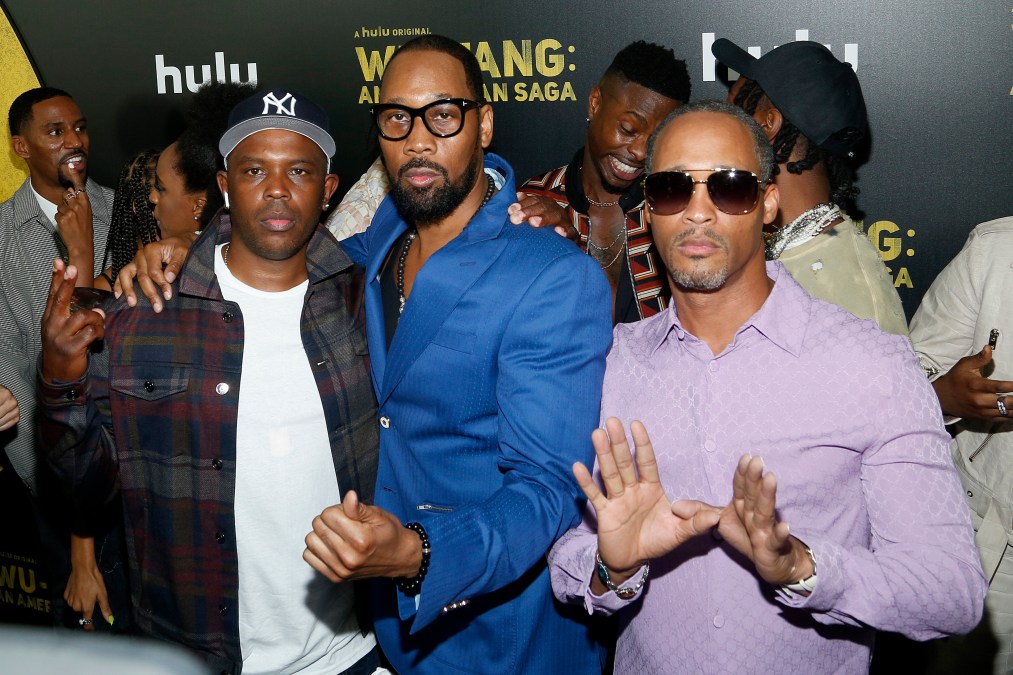
Messages of grief and remembrance quickly spread across social media following news of Grant’s death. Friends, collaborators, and longtime fans reflected on his impact on hip-hop and the Wu-Tang legacy.
One supporter wrote, “Peace to power and the whole unit 🕊️. Legends live forever.”
Another shared, “Rest In Peace Oliver ‘Power’ Grant, the legendary co-founder and driving force behind the Wu-Tang Clan’s brand and business operations. You will be missed among your Wu Brothers, family, friends, and fans. Rest easy and say Peace to my father, ODB. 🕊️👐🏾🙏🏾”
The loss hit hard for many in the extended Wu-Tang community. “DEFINITELY MISS POWER ALREADY WOW IM SO HURT RIGHT NOW 💔💔🐝👐🏾🕊️🙏🏾,” one post read.
Others reflected on reunion beyond this life, writing, “Condolences to all! Him & ODB and Papa Wu together again🙏🏼💔👐🏽.”
A final tribute quoted a familiar phrase tied to the Clan’s history: “what’s the deal, baby, this Knowledge right here “….RIP 🙏🏾🕊️”
The Business Mind Behind Wu-Tang’s Rise
Born in Jamaica and raised in New York, Grant became one of the earliest believers in the Staten Island collective taking shape under RZA and the late Ol’ Dirty [expletive].
As the group moved toward the release of its groundbreaking 1993 debut, “Enter the Wu-Tang (36 Chambers),” Grant stepped in to help secure studio time and financial backing.
He was instrumental in shaping the group’s business structure, helping position the Clan to negotiate recording deals that gave them unusual control for that era.
While the spotlight stayed on the mic, Grant operated behind it. He helped lay the groundwork for Wu-Tang’s business, allowing it to expand beyond music and build a lasting empire.
Wu Wear Helped Redefine Hip-Hop Fashion
Grant went on to found Wu Wear, one of hip-hop’s earliest artist-owned streetwear brands. Launched in the mid-1990s, the label quickly grew beyond merch into a full-scale fashion movement, opening retail stores in New York and Los Angeles.
IN 2017, Billboard reported that at its height, Wu Wear generated tens of millions of dollars in annual sales.
The brand landed in major department stores across the country in the late 1990s and early 2000s, setting a model for musician-driven fashion ventures long before celebrity brands became industry standard.
Beyond apparel, Grant worked as a manager and executive producer on multiple Wu-Tang-related projects. He helped extend the group’s reach into touring, film, and merchandising, transforming cultural momentum into sustainable business success.
This is a developing story.


![Tate McRae Thanks Fans for Number 1 Single With Gorgeous Bikini Pics After Spicy Victoria’s Secret Performance [PHOTOS & VIDEO]](https://entertainmentnow.com/wp-content/uploads/2026/10/GettyImages-2300897406-e1792395164465.jpg?quality=65&strip=all&w=425)



Comments
‘Belly’ Actor & Wu-Tang Clan Pioneer Passes Away at 52: Tributes Pour In