


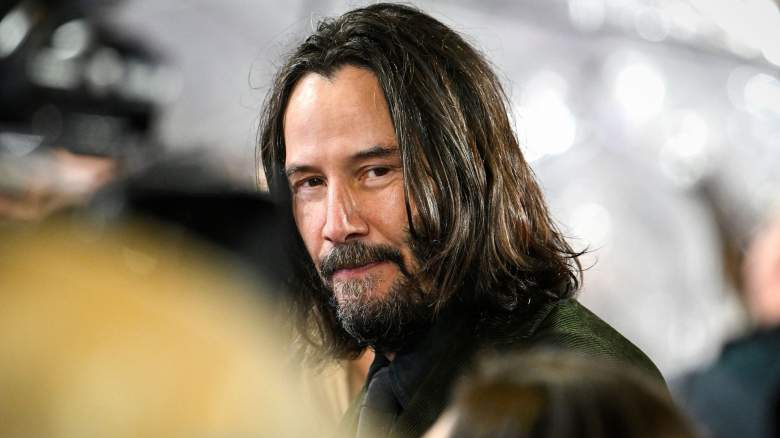
Keanu Reeves’ efforts to help his former director were ultimately unsuccessful.
Just days after it was revealed that the actor had written a letter asking a judge to show leniency, filmmaker Carl Erik Rinsch was sentenced to prison in his high-profile Netflix fraud case, according to TMZ.
Rinsch Was Sentenced
A federal judge sentenced Rinsch to 30 months behind bars after he was convicted on charges including wire fraud, money laundering and engaging in unlawful monetary transactions tied to an unfinished Netflix series, per the BBC.
In addition to the prison term, Rinsch will serve three years of supervised release and was ordered to pay Netflix $11 million in restitution while forfeiting the same amount.
The sentencing follows a case that centered on “White Horse,” a science-fiction series that Netflix financed but never received.
According to prosecutors, Netflix transferred approximately $11 million to Rinsch to complete production of the project.
Instead, authorities alleged that he diverted the money into personal accounts, using much of it for speculative investments and luxury purchases rather than finishing the series.
Prosecutors said the funds were spent on high-end vehicles, designer clothing, expensive furniture and other personal expenses after risky securities trades generated additional profits.
Federal prosecutors had requested a five-year prison sentence, while Rinsch’s legal team argued that probation would be more appropriate.
Reeves’ Touching Letter
Ahead of the sentencing, Reeves had submitted a personal letter to the court in support of Rinsch, whom he worked with on the 2013 film “47 Ronin.”
“I do not know the details of this case,” Reeves, 61, wrote in the letter, per court documents obtained by TMZ. “But based upon what I do know about Carl, I did want to take the opportunity to write on his behalf, in the hope that his sentence might be tempered with measures of leniency and mercy as well as justice.”
In the letter, Reeves acknowledged Rinsch’s flaws while describing him as a gifted filmmaker.
“In my opinion, Carl can self-sabotage by amplifying the scale, scope, and landscape of what had been negotiated, accordingly placing himself and his counterparties at odds,” Reeves wrote.
He continued, “I do not intend to share this as a diminishment of what he has been found to have done, but offer this solely as perhaps an insight into why.”
Reeves also described Rinsch as an “exceptional artist” and praised “White Horse” as “superb and visionary,” urging the court to consider mercy during sentencing.
He added how he would periodically visit Rinsch.
“During one of these visits Carl showed me a project he was working on called ‘White Horse,’ which he was hoping to bring to market. In my opinion Carl is an exceptional artist, and White Horse, in the form in which I saw it, was a superb and visionary work of art, although unfinished,” he wrote.
Despite the actor’s character reference, the judge ultimately determined that a prison sentence was warranted based on the seriousness of the offenses.
Rinsch had faced a potential maximum sentence of 90 years in prison following his convictions, making the 30-month sentence significantly lower than the maximum possible penalty and below what federal prosecutors sought.
Comments
Keanu Reeves’ Former Director Sentenced Despite Actor’s Plea for Leniency