


“Survivor” tribe names have celebrated a litany of meanings in dozens of languages over the last 25 years.
In the show’s very first season, “Survivor: Borneo,” the tribe names — Tagi and Pagong – simply referenced the names of the beaches where the players set up their respective camps.
The trend continues in more recent seasons, with starting tribe names being pulled from the language of the country hosting the competition series and tying back – in some way – to the game or filming location.
The currently-airing “Survivor 49,” for example, began with three distinct tribes called Kele, Hina and Uli. The terms, once translated from Fijian to English, mean “to anchor,” “torch” and “to steer,” respectively, speaking not only to the show’s unforgettable use of torches as a key gaming element, but also to the overall ship-wrecked theme of the series.
Though starting tribe names are pre-selected by CBS producers, once players leave their tribes behind to enter the individual portion of the game at the Merge, they are granted the privilege of creating their own, brand-new tribe name.
These Merge tribe names are often (though not always) crafted using the local language, and frequently contain hidden translations that remain a mystery to the majority of “Survivor” viewers.
Sophi Balerdi Reveals the Hidden Meaning Behind ‘Lewatu’
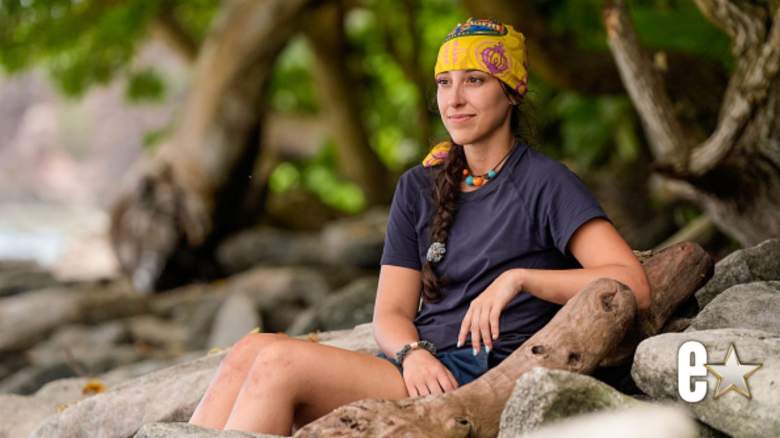
The most recent addition to the list of Merge tribe names comes as the remaining “Survivor 49” castaways elected to refer to themselves as “Lewatu” after contestant Sophi Balerdi convinced her fellow players to adopt without revealing its hidden Fijian meaning.

“LEWATU, our merged tribe name, actually means ‘Strongest woman in the village’ in Fijian,” wrote Balerdi on X, adding that she had to lie to her fellow castaways about the word’s meaning to get them on board with the plan.

“I lied & said it meant ‘Family,’” she wrote, adding, “I luv strong women in survivor.”
While players do have access to a dictionary of sorts full of different Fijian words and their translations to pull from in order to come up with a Merge tribe name, no direct translation of “Lewatu” exists, with the word more commonly appearing as a surname in the island nation.
Regardless, the Season 49 Merge tribe name, even if incorrectly translated, is more creative and impactful than some of the previous titles “Survivor” players have come up with.
‘Survivor’s Best (and Worst) Merge Tribe Names
For example, on “Survivor: Worlds Apart,” which challenged contestants from differing white-collar, blue-collar and “no-collar” backgrounds to duke it out for the title of “Sole Survivor,” the players who made it to the Merge ultimately decided to call themselves “Merica,” a contraction of America, despite the fact that the game was played in San Juan del Sur, Nicaragua.
Other less-than-spectacular Merge tribe names include “Survivor: Micronesia”s Dabu tribe, with the word “dabu” simply meaning “good” in Micronesian. Additionally, “Survivor: Gabon”s Merge tribe name – Nobag – is widely considered one of the worst the series have ever seen, with the players simply reversing the spelling of “Gabon.”
Conversely, other seasons have celebrated perfect Merge tribe names, such as the “Survivor: Heroes vs. Villains” Yin Yang tribe, which encapsulated the season’s duality of good and evil.
The “Hae Da Fung” Merge tribe on “Survivor: China” is also one of the more creative titles the show’s players have come up with over the last 49 seasons, with the term translating to “black typhoon” from its original Mandarin.


Comments
‘Survivor 49’ Star Reveals the Hidden Meaning Behind Merge ‘Lewatu’ Tribe Name