Nobody stopped the Beatles. Not in the early sixties, not in the middle of them, not as they reinvented themselves year after year. Until one song did.
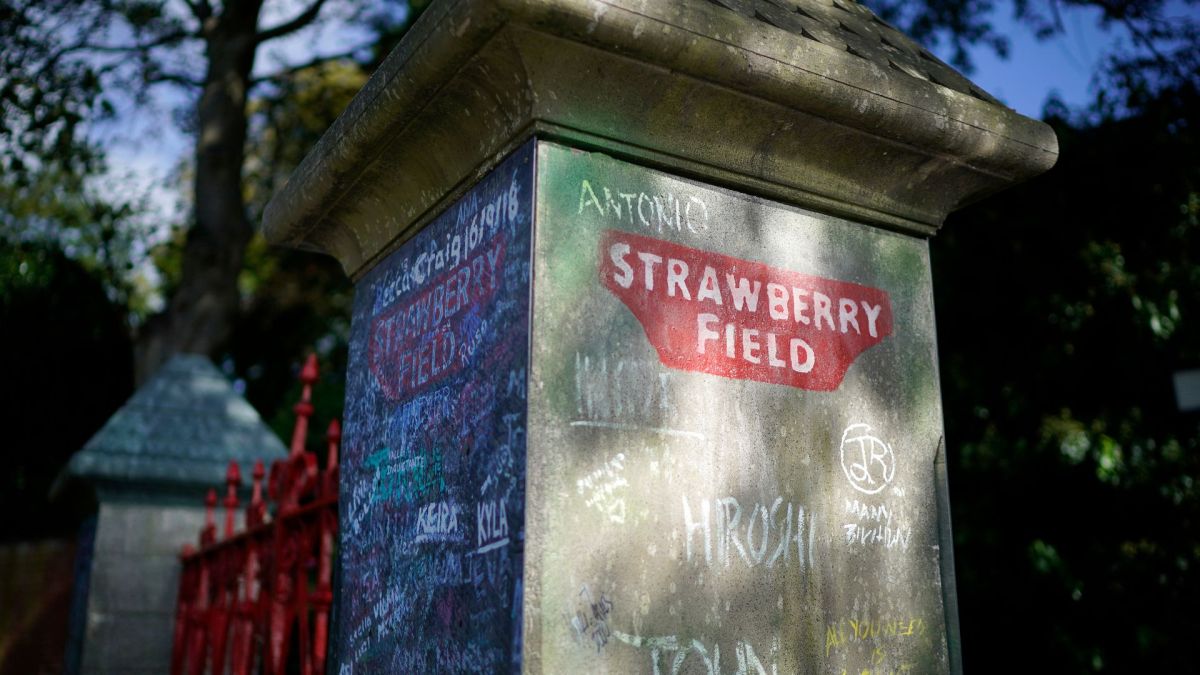
By 1967 the Beatles had placed 11 consecutive singles at number one in the UK — a run so dominant it felt less like a chart record and more like a law of nature. The double A-side they released that February, “Penny Lane” and “Strawberry Fields Forever,” was widely expected to make it 12. What nobody saw coming was a last-minute TV appearance by a little-known singer — one whose session guitarist happened to be a young Jimmy Page — that would change music history in a matter of days.
The Song That Came From Nowhere
 Getty
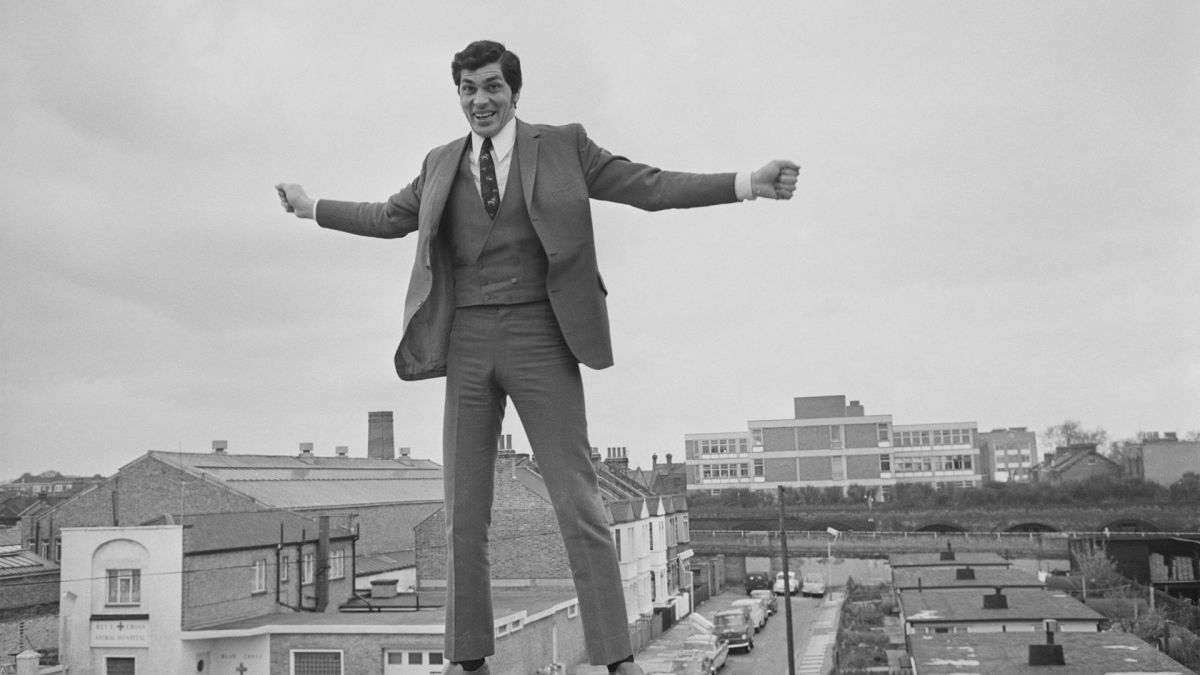
GettyThe man behind the block was born Arnold George Dorsey in 1936. His manager Gordon Mills rechristened him Engelbert Humperdinck — a name borrowed from a 19th century German composer — and set about finding him a breakthrough song.
That song was “Release Me.” Written by country songwriter Eddie Miller in 1946, it had already been recorded by dozens of artists across two decades. Humperdinck’s version had been sitting on the shelf for three months with barely a ripple. Then fate intervened in the most unlikely way.
A performer named Dickie Valentine fell ill and could not appear on Sunday Night at the London Palladium — Britain’s most-watched TV variety show. Humperdinck stepped in as a last-minute replacement and sang “Release Me” to the entire nation.
The next day, orders for 80,000 copies came in. At its peak, 127,000 copies sold in a single day. “Fate gave me that TV show,” Humperdinck later reflected. The song hit number one on March 2, 1967 — and stayed there for six weeks straight, with “Penny Lane” and “Strawberry Fields Forever” locked at number two throughout.
What the Block Meant — and What Happened Next
 Getty
GettyThe irony runs deep. “Penny Lane” and “Strawberry Fields Forever” are now considered two of the greatest recordings the Beatles ever made. George Martin, their legendary producer, later admitted that keeping them off Sgt. Pepper in favour of a standalone single was “a crazy idea” and “a dreadful mistake.” The songs deserved better than a chart number two.
The Beatles themselves took it with remarkable grace. When Humperdinck met Paul McCartney and Ringo Starr, neither brought it up. “They weren’t too upset,” Humperdinck said later. “They had several number ones. Ringo has come to my shows several times.” It is the kind of gentlemanly response that only adds to the legend of both men. And in the wider sweep of rock history, the moment stands as one of the most extraordinary upsets the charts have ever produced.
“Release Me” went on to reach number four in the US and number one in nine countries worldwide. It sold 1,365,000 copies in the UK alone and remained in the top 50 for 56 consecutive weeks — a record that stood untouched until 2014 when John Legend’s “All of Me” finally surpassed it.
Even the greatest streak in pop history can be stopped by one perfectly timed song. The Beatles had 11 number ones in a row and the most anticipated double A-side of their career ready to make it 12 — and a country-tinged ballad from a last-minute TV replacement stopped them cold.
The biggest upsets in music are rarely planned. They arrive in the form of a sick performer, an unexpected slot, and 127,000 people buying a record in a single day.
“Release Me” is still streaming, still appearing on classic radio lists, and still one of the most remarkable footnotes in the history of popular music.