
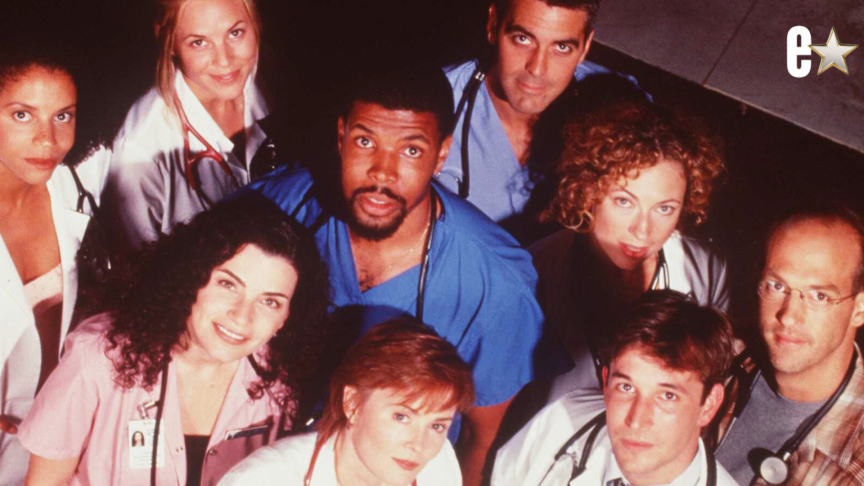
Alex Kingston is speaking more openly about the uterine cancer diagnosis that altered the course of her life. The “Doctor Who” and “ER” actress, 62, first shared her diagnosis last year in an interview with The Independent while competing on “Strictly Come Dancing.”
In a candid, new interview with Prima, she is now revisiting the early symptoms she ignored and the mindset that led her to dismiss them.
Alex Kingston Says She ‘Wasn’t Reading the Signs’ Before Cancer Diagnosis
“Because I’m such a positive person, even though my body was trying to tell me that something was very wrong, I wasn’t reading the signs”, Kingston told Prima magazine (as reported by People).
She said she overlooked warning signals such as bloating, weight gain, and injuries that did not heal as expected. At the time, she convinced herself the changes were simply part of getting older.
“I thought, ‘This is what it’s like to be in your 60s, and it’s just part and parcel of getting older,” she added, as reported by People.
The Scary Moment That Led to Her Diagnosis
 Getty
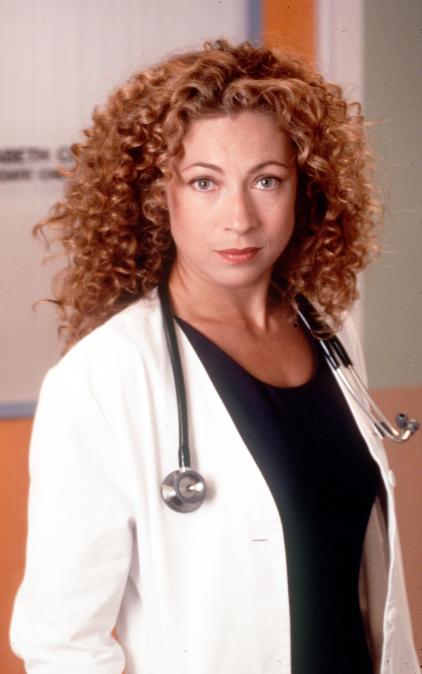
GettyKingston said she experienced symptoms for years before seeking medical advice. It took a frightening moment during a live performance for her to understand the issue might be more serious.
She previously told The Independent that she did not pursue testing until she started hemorrhaging “on stage” while performing in a play.
In October 2025, Kingston said it “was a shock,” adding, “I never went down the cancer road in my head,” according to The Independent.
Following her diagnosis, she underwent a hysterectomy and radiation therapy as part of her treatment plan.
Why She Decided to Speak Publicly
At first, Kingston chose to keep her diagnosis out of the public eye. She said she wrestled with the decision to speak openly about something so personal.
“I’m quite a private person, and I felt, ‘Why should I talk about my cancer?’ and also on Strictly, I thought, ‘I don’t want my journey to be about my sickness,'” she told Prima.
She added, “I wanted it to be about going forward and life affirmation. But then I realised when I started to get responses from people that, actually, this is important.”
Over time, Kingston said her perspective shifted. She began to see that sharing her experience could help others recognize warning signs sooner.
 Getty
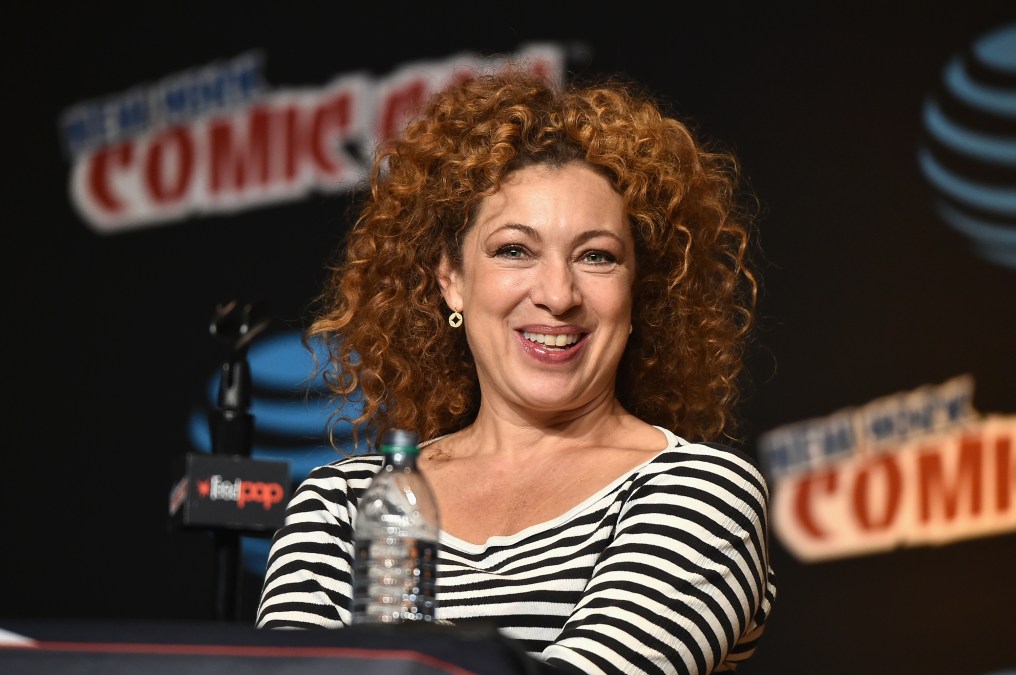
GettyToday, Kingston says she does not regret speaking openly about her diagnosis. She believes that if her story encourages even one person to listen to their body and seek help sooner, then sharing something so personal was worth it.
Kingston’s full interview with Prima was published in the magazine’s April 2026 print edition.




That’s such a powerful story, it really highlights how easily we can dismiss subtle changes in our bodies. I’m so glad she’s sharing her experience to hopefully encourage others to get checked out.