Television producer Geoffrey Mason, who won an impressive 24 Emmy Awards during his career, has died at 85, ESPN reported on Sunday, January 25.
The outlet described him in their tribute as a “sports broadcasting legend” and said he was a big force behind the shaping of ESPN. He was inducted into the Sports Broadcasting Hall of Fame in 2010.
Mason is remembered for working on 8 Olympics, with the most memorable by far being the 1972 Summer Olympics in Munich, Germany, when disaster struck. Mason was the coordinating producer for ABC’s coverage of the hostage crisis.
Disney CEO Bob Iger Reacts to the Loss of Geoffrey Mason
 Getty
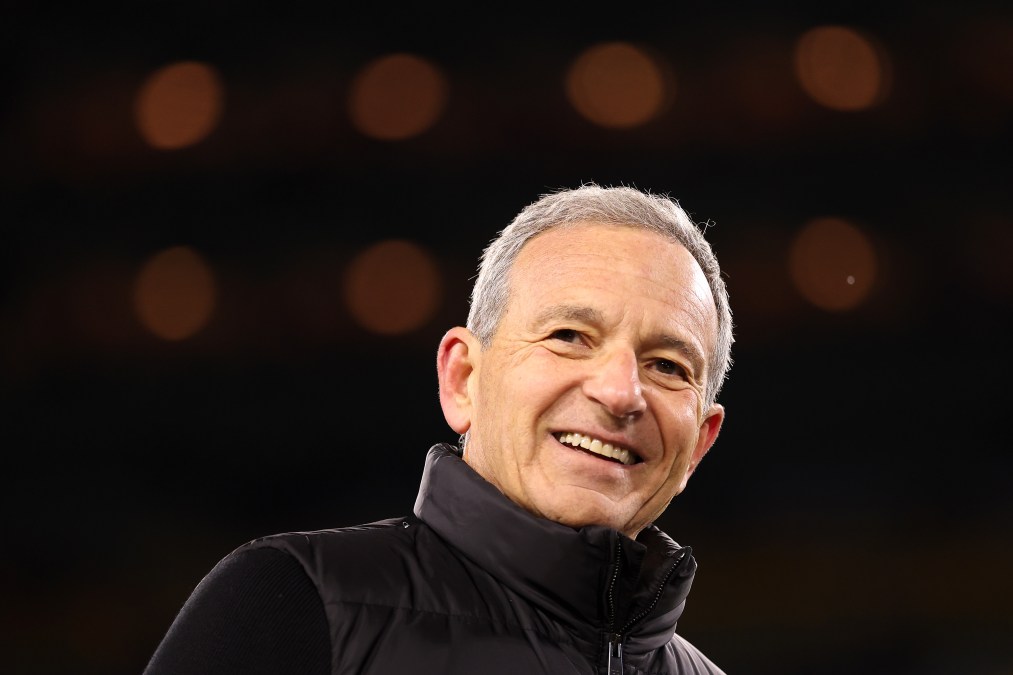
GettyDisney CEO Bob Iger paid his respects to Mason in a statement. ESPN says he declared, “Geoff Mason was a friend and a colleague, who had a storied career, touching just about every corner of the sports television industry. He had a passion for the business, which was evidenced in his prodigious work ethic, and the constant love and enthusiasm he exhibited on everything he worked on. He most certainly will be missed.”
The ESPN piece says Mason’s family has suggested donations to the V Foundation for Cancer Research or the Betty Ford Foundation, as the late producer was a board member of both. The V Foundation remembered him in an Instagram tribute which read in part, “We are deeply saddened by the passing of a true broadcasting legend and a foundational part of our V Foundation family, Geoffrey Mason. A Hall of Fame production executive and winner of 24 Emmy Awards, Geoff’s influence on sports television was unmatched.”
Geoffrey Mason Reflected on Tense Moments in Munich
In 2025 interview with Jason Dachman, Mason talked about what it was like calling shots in the tense hostage situation that occurred during the Munich Olympics on September 5, 1972, and how his experiences went into the making of the docudrama “September 5.”
Mason agreed with Dachman’s observation that “Live television happens fast, and you guys were making decisions in the moment that went well beyond the playing field.” He said the question of whether the broadcast team was revealing too much on the live broadcast and their journalistic responsibilities “factored a lot” into developing the film’s story.
However, he explained the dilemma wasn’t as big a factor “as one would have thought.” Mason reflected, “Those of us who were part of the ABC Sports core group…developed an affinity for being able to finish each other’s sentences. We knew enough about the people we were attacking this story with to know that they could be trusted. That their instincts were coming from the same place as our instincts were, and that in order to tell the story in the right way, we had to focus on telling the story.”
Mason said there was no time to dwell on what was happening, despite feeling angry at the scenario.