As Super Bowl Sunday draws closer, the biggest battle is not limited to the field. It is also playing out behind the scenes, where advertisers compete for a rare chance to reach one of the year’s largest television audiences.
For Super Bowl LX in 2026, that exposure comes at a steep cost.
What Does a 2026 Super Bowl Commercial Costs
A single 30-second commercial during the game costs about $8 million, according to a report in The Hollywood Reporter. And that number reflects only the cost of the airtime, not the full investment required to appear during the broadcast.
NBC, which will broadcast Super Bowl LX from Levi’s Stadium in Santa Clara on Feb. 8, 2026, is charging advertisers $8 million for a 30-second spot. The network sold out its ad inventory months before the teams were even determined.
According to AdWeek, NBC initially set the price at $7 million but quickly raised it as demand surged. The final price mirrors what advertisers paid for Super Bowl LIX in 2025.
Some companies are paying even more.
NBCUniversal advertising executive Mike Marshall said on “The Varsity” podcast that certain brands have committed $10 million or more once bundled packages and additional placements are included.
Why Super Bowl Ad Prices Keep Rising
The cost of Super Bowl advertising has climbed steadily for nearly six decades.
According to a report by AdWave, when the first Super Bowl aired in 1967, a 30-second commercial cost $37,500. Adjusted for inflation, that equals roughly $350,000 today. In 2026, that same half-minute costs $8 million.
Key milestones highlight the growth:
- $1 million was crossed in 1995
- $2 million arrived by 2000
- $5 million was reached in 2017
- $7 million held steady from 2023 to 2024
- $8 million arrived in 2025 and remains for 2026
Industry analysts say the current price may represent a temporary plateau, though future increases are expected.
Audience Size Makes the Price Worth It
As per the NFL.com, Super Bowl LIX in 2025 drew an average audience of 127.7 million viewers, according to Nielsen, making it the most-watched television broadcast in U.S. history. Nearly 44 percent of that audience tuned in through streaming platforms.
FoxSports confirmed that viewership peaked during the second quarter, when an estimated 137.7 million people were watching at once.
Those moments delivered some of the highest concentrations of attention advertisers can find anywhere in modern media.
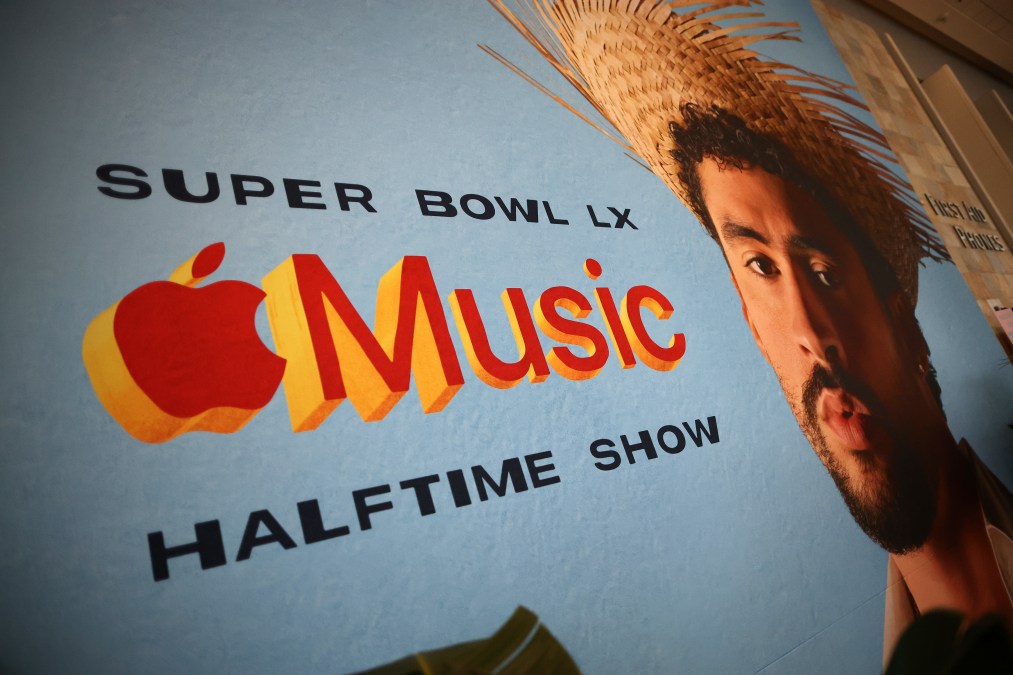
Super Bowl LX will air across NBC, Peacock, Telemundo, and NFL+, broadening its reach across both traditional television and streaming audiences. Interest has also surged around the halftime show, which will feature Bad Bunny, marking the first time a Latino artist headlines the Super Bowl solo.
For advertisers, no other single media event offers this kind of scale, visibility, and shared cultural focus in one moment.
The Real Cost Goes Far Beyond $8 Million
 Getty
GettyThe airtime cost is only the beginning.
Adwave reports that the production budgets for Super Bowl commercials commonly range from $4 million to $10 million, particularly for ads featuring celebrities, elaborate sets, or advanced visual effects. High-profile talent can command $2 million to $5 million for a single appearance.
Brands typically spend millions more promoting the spot before and after the game. That includes teaser campaigns, social media rollouts, digital extensions, and coordinated public relations pushes designed to extend the ad’s lifespan beyond game day.
Additional expenses such as travel, client hospitality, music and licensing rights, and agency fees quickly add up.
The Hollywood Reporter states that taken together, industry analysts estimate that full Super Bowl advertising campaigns often land between $15 million and $50 million, with some brands spending even more.
For perspective, the $8 million airtime fee alone could stretch far beyond a single night.
That same amount could cover years of local television advertising, fund a full year of national connected-TV campaigns, or bankroll an entire decade of marketing for many small businesses.
The contrast highlights just how exclusive Super Bowl advertising has become, reserved almost entirely for brands with the deepest pockets and the biggest ambitions.
Why Brands Still Line Up Every Year
Despite the staggering cost, brands continue to line up every year.
The Super Bowl remains the rarest kind of media moment, one where tens of millions of people are watching together, in real time, with attention that can’t be skipped, scrolled past, or ignored.
For advertisers, that shared experience is increasingly hard to find anywhere else. Viewers talk about the commercials, replay them online, and judge brands by how they show up on football’s biggest night.
In that context, $8 million is more than a media buy. It is the price of visibility, relevance, and a seat on the largest stage in American television.