


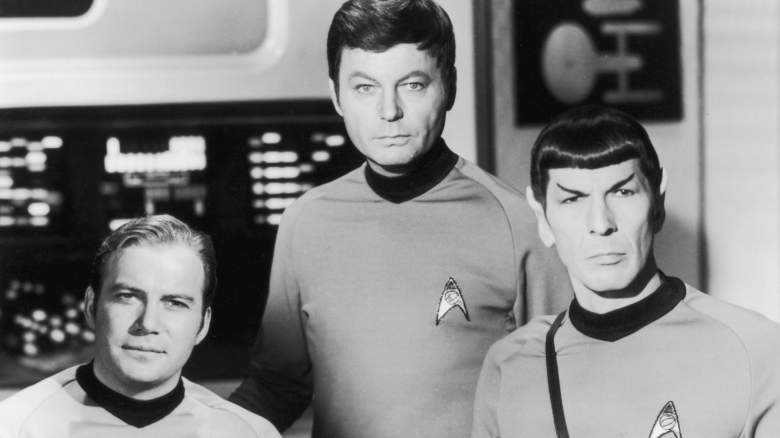
Few Hollywood franchises can match the popularity and longevity of “Star Trek.”
The iconic 1960s TV series has spawned numerous TV series and a string of big-screen hits that have brought in a combined $2.3 billion at the box office — while the franchise itself has generated an estimated $11 billion.
Yet had it not been for a certain red-haired TV star, “Star Trek” may have vanished after the series’ 1969 cancelation, never to be heard from again.
An Unlikely Savior
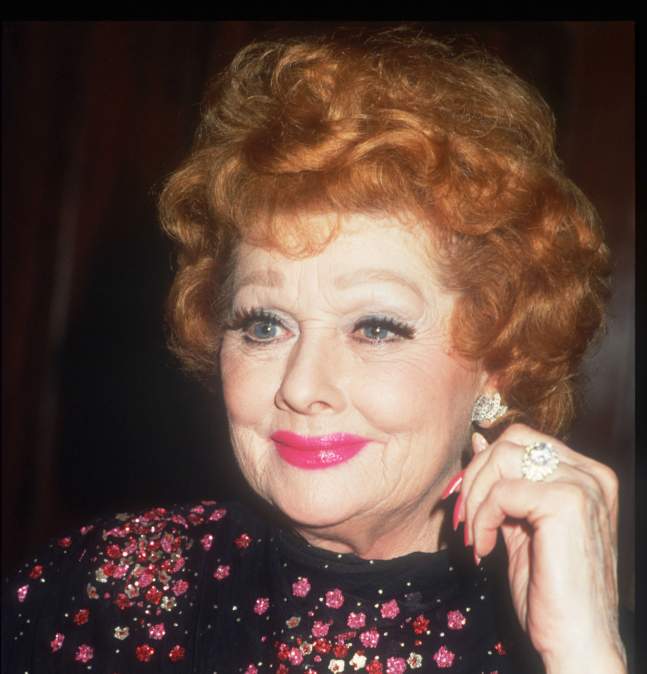
During a recent appearance at MIA Market in Rome, Roddenberry Entertainment COO Trevor Roth paid tribute to the legendary entertainer who was responsible for the long-tern success of “Star Trek”: “I Love Lucy” star Lucille Ball.
“’Star Trek’ was a failed television series for a very long time. It did not do well, and by the stars aligning, it found its way into the hearts and minds of audiences in the United States and around the world,” Roth said, as reported by The Hollywood Reporter.
The series was among the many produced by upstart Desilu Studios, founded by Ball and then-husband Desi Arnaz. After their divorce, Ball bought out the shares from Arnaz, which made her the first woman to run a major Hollywood studio.
As Roth recalled, it was Ball who was responsible for a key move that saved “Star Trek” from fading into obscurity.
“So when ‘Star Trek’ had 80 episodes, Desilu was able to able to get it into reruns, or syndication, to allow it to be used as programming for places outside of NBC,” Roth explained.
“That’s where ‘Star Trek’ really found its audience, and that really was where it became an entity that it has become today,” Roth added.
An Enduring Legacy
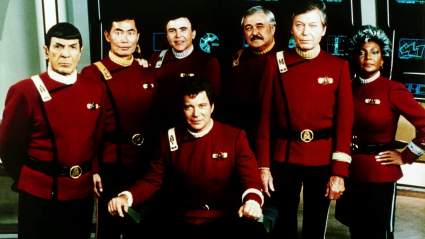
As Roth pointed out, it was in syndication that “Star Trek” really built a following, resulting in the creation of fan conventions throughout the 1970s and the first of many feature films, 1979’s “Star Trek: The Motion Picture,” featuring William Shatner and the original cast from the series.
That paved the way for Patrick Stewart headlining “Star Trek: The Next Generation,” which also ventured to the big screen.
These days, “Star Trek” continues to live on in an ever-expanding roster of TV series via streaming on Paramount+, including such recent franchise entries as “Star Trek: Strange New Worlds” and “Star Trek: Starfleet Academy.”
As Roth explained, the new iteration of “Trek” in the world of streaming has led to fewer episodes per season and longer waits between seasons.
“It’s very different, and it changes the dynamic between the audiences and the television shows they are watching.” Roth explained, while also promising the franchise will continue to “go where no one has gone before,” per the show’s iconic opening.
“It was one of the earliest franchises and it has lasted 60 years,” said Roth of the franchise’s enduring longevity, insisting that the fanbase remains as committed as ever.
“‘Star Trek’ continues to be made today, remains alive and well and something that people still believe in and look for,” he added.











Comments
A Beloved ’50s Sitcom Star Transformed ‘Star Trek’ From Canceled Failure to Powerhouse Franchise