William Shatner has revealed that one of the most recognizable features in “Star Trek” history almost disappeared before audiences even met Captain Kirk and Spock.
Shatner says NBC wanted Leonard Nimoy’s distinctive pointed ears removed from Spock before “Star Trek” reached television. Instead, the show’s management stood its ground, leaving Spock with a look that would become synonymous with the franchise.
The revelation comes as the “Star Trek” universe continues to evolve decades after Shatner first played James T. Kirk. Shatner has remained open about his connection to the character and the franchise that made him a television icon.
William Shatner Says ‘Star Trek’ Faced an Early Spock Request
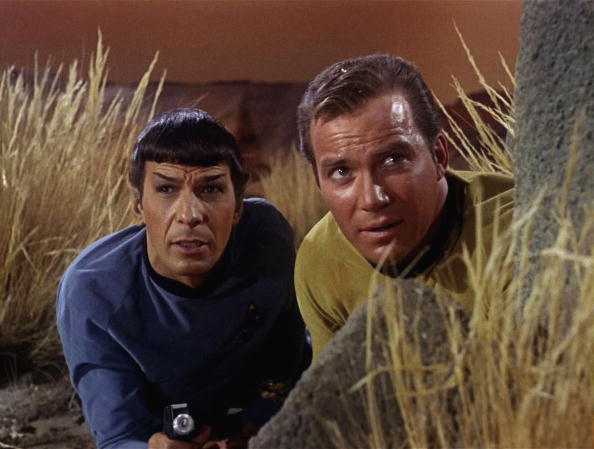
Shatner revisited the early days of “Star Trek” during a conversation with Paul Wesley, who plays a younger version of Kirk on “Star Trek: Strange New Worlds.” Speaking to Interview Magazine, Shatner recalled NBC taking issue with the pointed ears worn by Leonard Nimoy’s Spock.
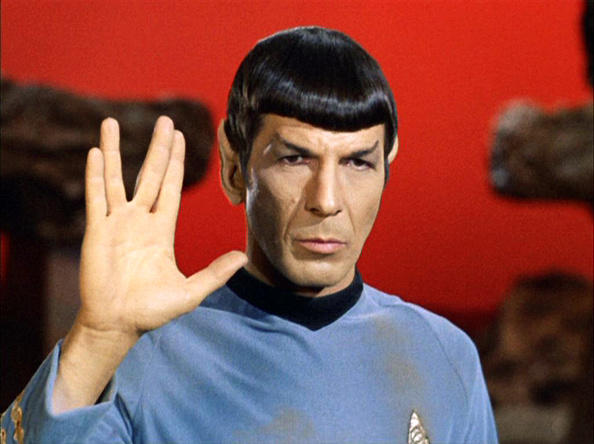
“The first thing they said with Spock is, ‘Get rid of the ears,’” Shatner recalled. “And bless our management, they said, ‘No, we’re not getting rid of the ears.’” The ears would eventually become one of Spock’s defining visual characteristics.
NBC’s concerns went deeper than Shatner’s recent recollection suggests. According to StarTrek.com, NBC’s sales department worried that Spock’s pointed ears made the character appear “satanic,” potentially creating problems with advertisers and affiliate stations.
The concern went far enough that Spock’s pointed ears were airbrushed to appear round in photographs included in an NBC sales brochure sent to station affiliates and advertisers. The effort didn’t last, and the ears stayed.
Leonard Nimoy’s Spock Survived More Than One Early Change
Spock’s ears weren’t the only element of “Star Trek” that faced uncertainty before the series reached television. The show’s first pilot, “The Cage,” starred Jeffrey Hunter as Captain Christopher Pike rather than Shatner as Kirk.
NBC rejected that version but made the highly unusual decision to fund a second pilot. Shatner reflected on that history in his Interview Magazine conversation, explaining that NBC agreed to fund another pilot with a different script and an extensively changed cast.
One actor, however, remained from the original pilot: Leonard Nimoy. “They recast everybody except Leonard [Nimoy], who grasped the role, made it his own,” Shatner recalled.
Shatner joined the franchise as Captain Kirk for the second pilot, “Where No Man Has Gone Before,” while Nimoy continued as Spock. For Shatner, the unusual ideas surrounding the show were part of what made the project so compelling in the first place.
“In that pilot, I was attracted to the magic, the imagination behind that pilot with the swollen heads and the pulsing,” he told Interview Magazine. “It was such wonderful makeup. It was intriguing from many points of view.”
William Shatner Says That ‘Magic’ Helped ‘Star Trek’ Succeed
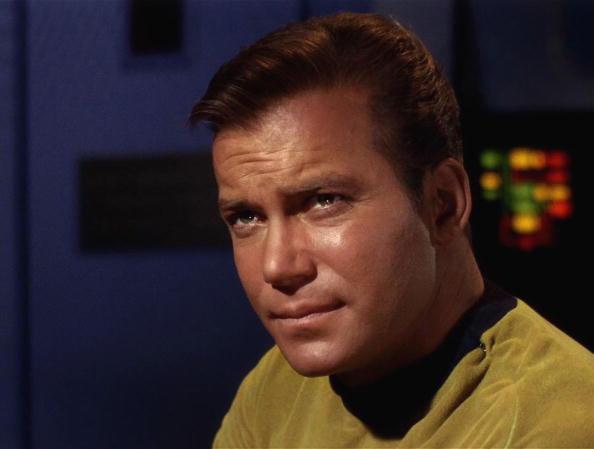
The network’s initial uncertainty about Spock’s ears ultimately makes their place in pop culture even more remarkable. Rather than becoming an obstacle to the series, Spock’s unmistakable appearance became an enduring part of the “Star Trek” universe.
The character’s pointed ears became so culturally recognizable that a pair of Spock ear tips used by Nimoy during the original “Star Trek” television series is now part of the Smithsonian’s National Air and Space Museum collection.
Shatner believes the franchise’s willingness to embrace things audiences had never seen before was crucial to its success. He explained that science fiction allowed “Star Trek” to introduce viewers to strange beings and unfamiliar worlds without being restricted by what was possible in everyday life.
“There was a magic about the pilot, and that became the magic of ‘Star Trek’ that caught the imagination of the audience,” Shatner said. He later summed up the importance of that creative freedom more simply: “That science-fiction magic was a big propellant in the popularity of ‘Star Trek.’”
Sixty years after “Star Trek” first aired in 1966, the decision to ignore NBC’s request looks especially significant. Spock’s pointed ears weren’t removed, Leonard Nimoy went on to make the character a science-fiction icon, and the unconventional quality the network initially questioned became part of the enduring “magic” Shatner believes made the franchise work.