After a near century-long run in New York City, Marvel Comics will leave its long-standing home and resettle in Burbank, California, next year.
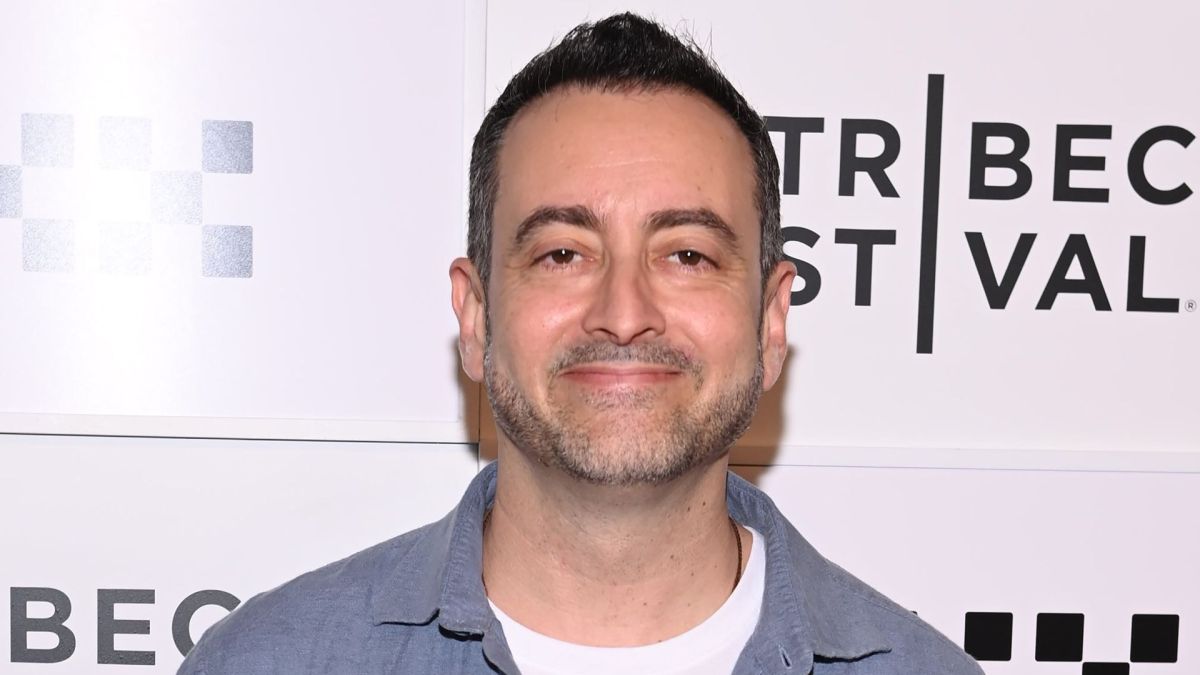
Per the Hollywood Reporter, the move was announced on Thursday, July 16, at a town hall led by the publisher’s head of television, animation, comics and franchise Brad Winderbaum, general manager of comics and franchise David Abdo, and Marvel Studios president Kevin Feige. The cross-country move will see the company’s comic book publishing division join its cinematic counterpart, Marvel Studios, and parent company, The Walt Disney Company, on the West Coast in an effort to reinvigorate the Marvel brand.
What This Means for Marvel Comics’ Future
 Getty
Getty“This move will position the team beside our broader creative organization and create opportunities for collaboration across both Marvel and Disney,” wrote Winderbaum and Abdo in the company-wide memo shared by The Hollywood Reporter. In it, the two make clear their desire to keep Marvel at the forefront of the industries it’s been a veritable juggernaut in for so long.
“Our goal is simple: to continue to make the best comic books in the business,” they stated. “Bringing our comics, film, television, and other creative teams together will help us learn from one another, collaborate, and build on the strengths that make Marvel the true House of Ideas.”
The two went on to express their gratitude for the many years of commitment their New York-based colleagues showed the publisher, with the hope that they’d make the move with the company. “We are committed to supporting every affected employee throughout this transition, which take place over the next 12 months,” Winderbaum and Abdo wrote.
Marvel Comics’ New Editor-in-Chief
 Getty
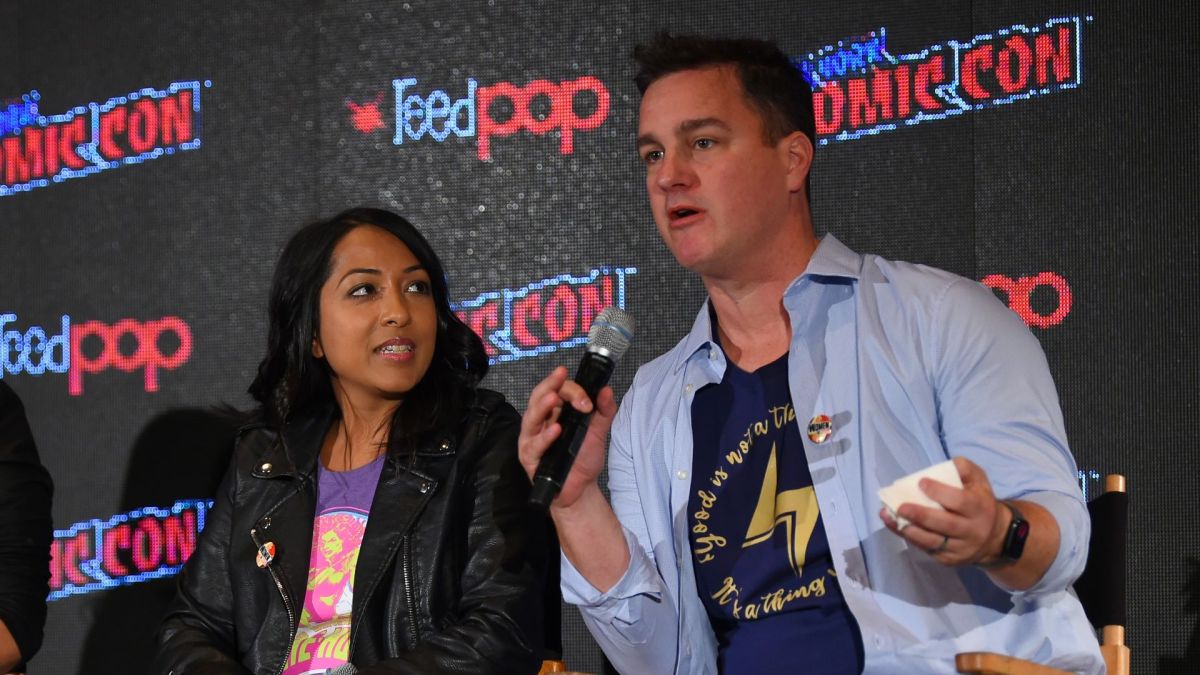
GettyThe gamechanger of Marvel’s move to Burbank came packaged with another shakeup: a brand-new editor-in-chief for the publisher in the form of Stephen Wacker. No stranger to Marvel editorial, Wacker previously oversaw numerous critically acclaimed and fan-favorite titles at Marvel Comics between 2006 and 2022. These include 2011’s “Daredevil” by writer Mark Waid and a slew of artists, Matt Fraction and David Aja’s “Hawkeye,” the introduction of Kamala Khan, and more, as detailed in a report on Marvel’s own website.
Wacker will succeed current editor-in-chief C.B. Cebulski, who has handled the responsibilities since 2017. With Wacker taking over his role, Cebulski will assume a new position, that of editor, Asia originals. According to the report, the Japan-based position will see Cebulski oversee the company’s efforts to expand their reach and break into the Japanese manga scene.
Marvel Comic’s New York Legacy
In the wake of this announcement, many have looked back on the company’s storied history in the city they’re gearing up to leave behind. While the Marvel Comics fans know today didn’t take shape until the release of “Fantastic Four #1” in 1961, their story began way back in 1939 under the name of Timely Comics.
From 1939 to 1950, Timely Comics published comic books starring the likes of Captain America, Namor, and many more during the Golden Age period. After Timely went defunct in 1950, its successor, Atlas Comics, rose up the following year in 1951. Atlas went on to publish further post-war adventures of Captain America, Namor and the original Human Torch, as well as a litany of non-superhero titles in the crime, romance and western genres. Ultimately, Atlas Comics proved to be the company’s most short-lived rebrand, lasting only six years until distribution issues and other problems spelled its end.
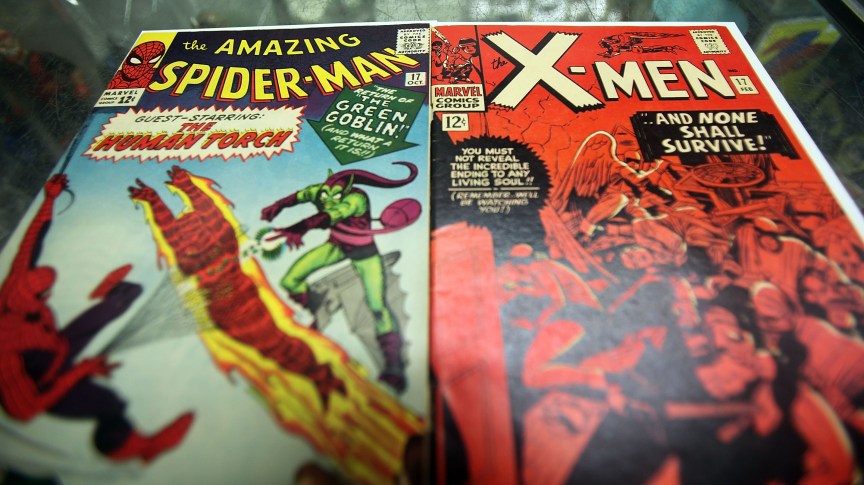
Four years later, the company rebranded for a second and final time as Marvel Comics, harkening back to Timely Comics’ first release, “Marvel Comics #1.” Beginning with the Fantastic Four, the newly minted Marvel Comics arrived on the scene and cemented their place with follow-up hits like Spider-Man, the X-Men, and the Hulk. But while these costumed heroes defended a fictional New York City home to the Baxter Building and Avengers Mansion, the creators who brought their adventures to life did so from the real-world New York City. They did so in the McGraw-Hill Building, Madison Avenue, Park Avenue, Fifth Avenue and currently W. 50th Street, to name a few of the publisher’s offices.
In their memo, Windbaum and Abdo were quick to acknowledge Marvel’s storied history in New York City, both in-universe and out, stating that while the company’s location would be changing, the Big Apple was still very much a part of its identity.
“New York has played a huge part in who Marvel is as a company, and in the pages of our comics,” they wrote. “While our network of writers and artists is now an international operation, New York is still woven into our DNA and that will never change.”