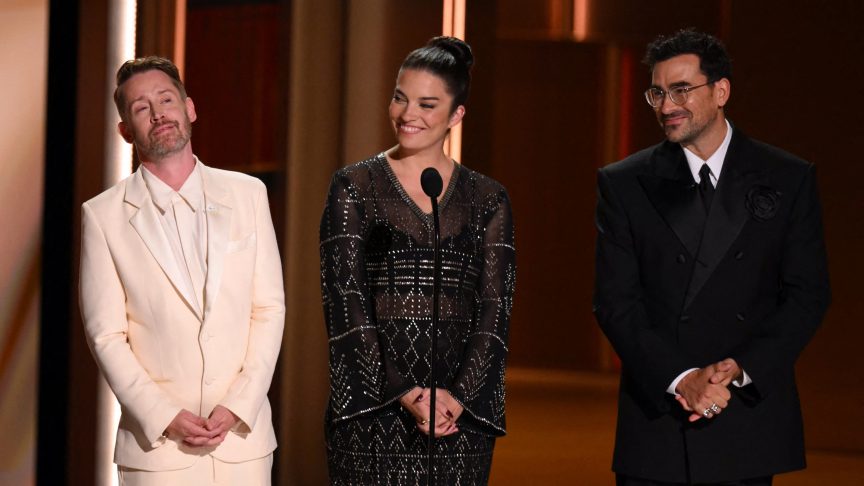
Richard E. Grant continues to speak with rare honesty about the grief that has stayed with him since the death of his wife, Joan Washington. The 68-year-old actor appeared on the “Mad Sad Bad” podcast on Tuesday, January 27, where he reflected on living with loss nearly five years after Washington’s death.
Richard E. Grant Opens Up About Living With Grief Nearly Five Years On
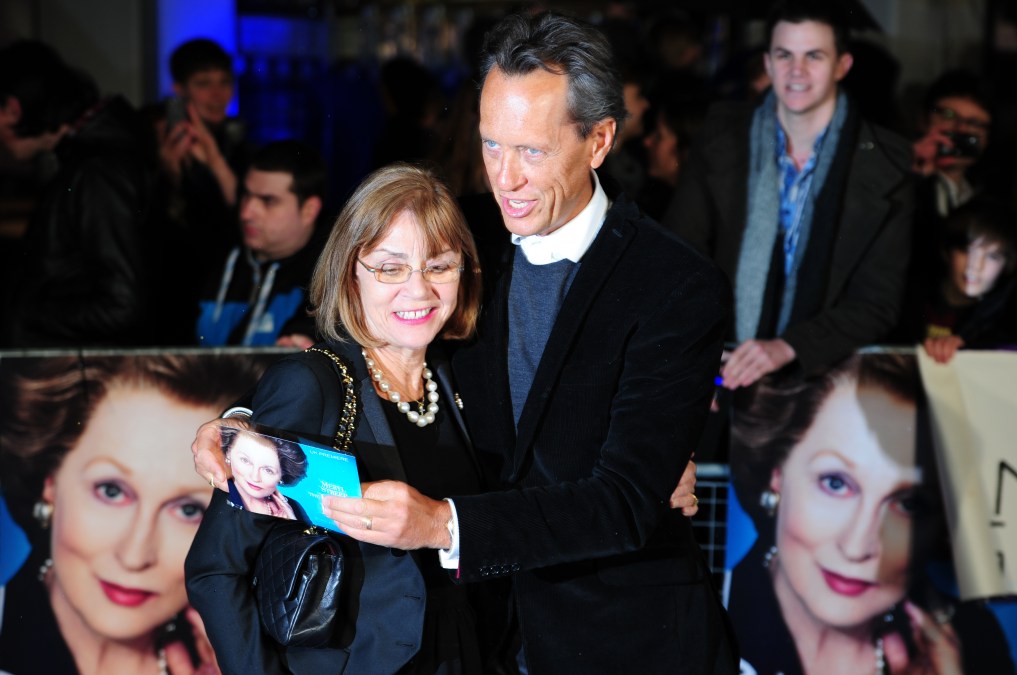 Getty
GettyIn a candid conversation with host Paloma Faith, Grant described how grief still shapes his days in ways he never expected.
“It’s four years since my wife of 38 years died, and I understand it rationally, that I will never see, touch, talk to her ever again,” Grant said, as reported by The Daily Mail. “But emotionally, my brain cannot compute that I will never — that she’s gone.”
A Marriage of 38 Years and a Life Built Together
Grant married Joan Washington, a highly respected voice and dialect coach who worked with Hollywood actors, in 1986. Together, they raised their daughter, Olivia, and Washington’s son, Tom, from a previous relationship.
As per a report in The Standard UK, Washington died at age 71 in September 2021. In the years since, Grant has spoken candidly about the weight of that loss and how it continues to shape his life.
He later poured those emotions into his memoir, “A Pocketful of Happiness,” which draws, in part, on the final months they spent together.
The Oscar-nominated actor has often described grief not as something that disappears with time, but as something that quietly reshapes the person left behind.
‘I Cry Every Day’: How Grief Shows Up Now
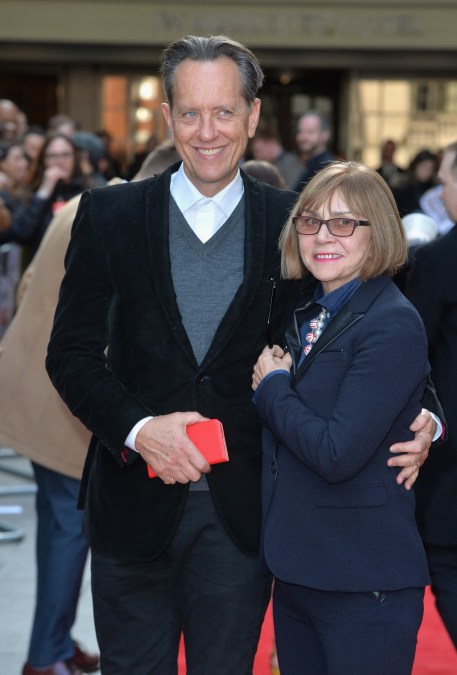 Getty
GettyGrant told listeners that emotion continues to surface without warning, often in everyday moments.
“Well, I cry a lot, and I cry every day, and if I watch the news — I don’t anymore — but that makes me cry,” he said. “And joyous stuff makes me cry too.”
He also recalled moments when he and his daughter found themselves crying together while watching television, reactions that often drew gentle teasing from Washington.
“She’d say, ‘What is wrong with you two?’ [as we cry],” Grant said. “She’d go, ‘Oh God, pull it together.’ She was very emotionally Scottish-ly withheld, and I don’t know whether that’s Calvinism or what that is, but she was much more restrained in her emotions than I am, and I’ve been accused of having too many by people.”
Why Memory Now Focuses on the ‘Good Bits‘
Grant also shared that writing has become a quiet ritual for him as he processes loss. In the years since Washington’s death, he said he began writing to her each night.
“I instinctively started writing to [Washington], every night,” he said.
He explained that memory has gradually softened the most painful moments of her illness.
“The trick of memory is so extraordinary, in that, a year ago, I only remembered her in full health,” he said. “Rather than in poor health for the last eight months of her life.”
“And I think out of the 38 years we were together, only eight months of those 38 years were in diminishing health,” he added. “So, relatively, I remember the good bits.”
Grant echoed thoughts he shared with People in 2023, describing grief as something to be lived with rather than conquered.
“I think that it’s something that you go, you navigate your way around it, and you don’t get over it,” he said.
“And when people come out with platitudes, all well-meaning as it is, of saying, ‘Oh, time will heal,’ or ‘You’ll get over It,’ I’ve not thought of it that way. I’ve not wanted to get over it, because it’s almost like you’re saying ‘Well, that person’s life, that’s finished and done with.’”
Nearly five years later, Grant’s reflections continue to resonate as a deeply human portrait of love, memory, and the emotional weight of grief.