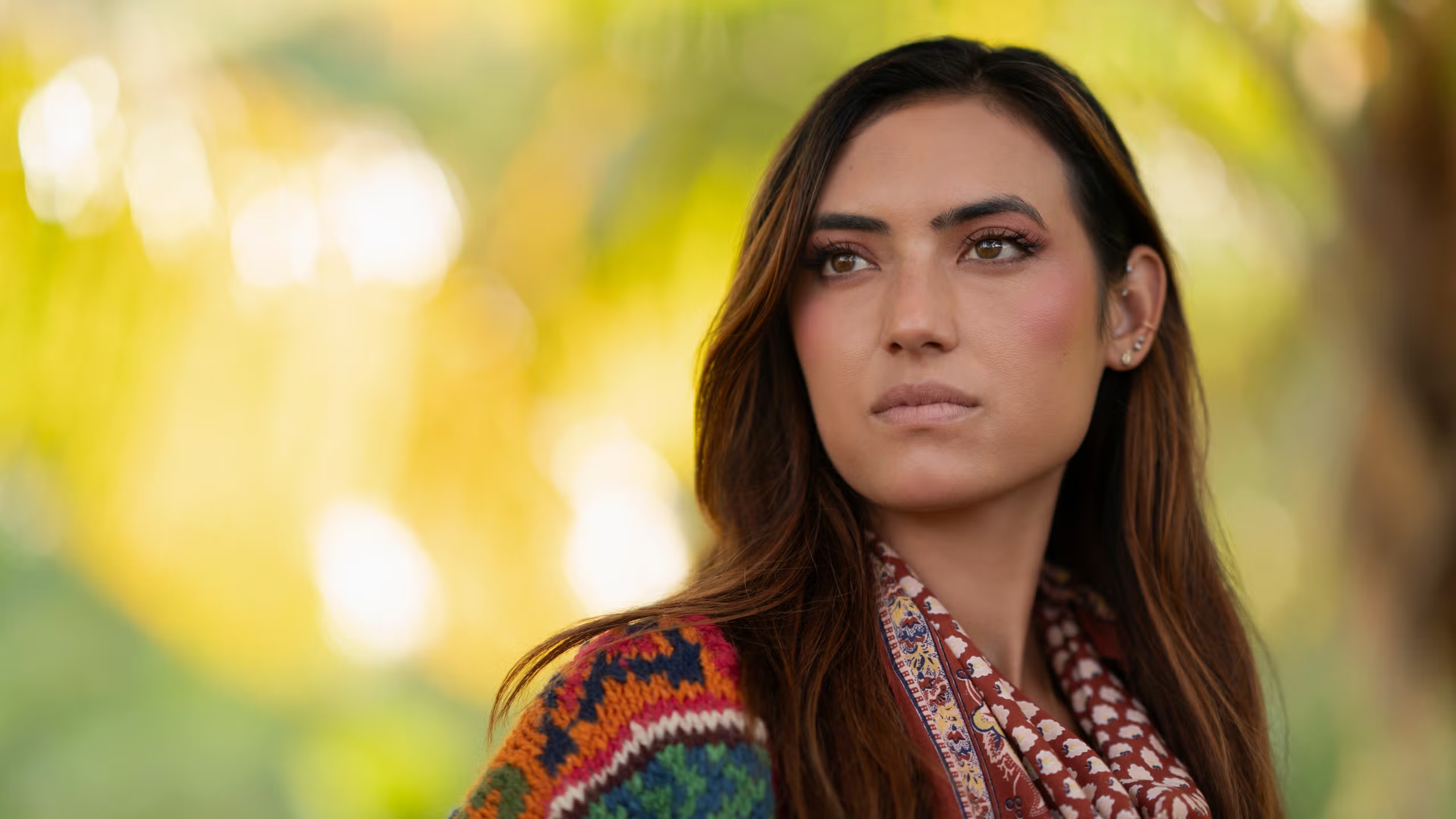
Savannah Louie is opening up about the reality of life after “Survivor” — and the challenges that followed once the cameras stopped rolling.
In a new interview with PEOPLE, the 32-year-old reflected on her experience competing on back-to-back seasons of the series, including “Survivor” Season 49 and “Survivor 50: In the Hands of the Fans,” and how that stretch impacted her health in ways she didn’t initially expect.
“It was a crazy journey and I’m so happy I did it,” Louie said. “But, of course, with all the good stuff, there’s some challenges too.”
Savannah Reflects on Life After ‘Survivor’
While “Survivor” is known for pushing contestants to their limits, Louie said the biggest adjustment came after filming ended — when she returned to everyday life.
During the competition, she explained that her eating patterns became inconsistent due to the nature of the game. Long stretches without food were common, followed by moments where she would eat as much as possible when given the chance.
That cycle didn’t immediately stop once filming wrapped.
“I felt like I couldn’t stop,” she recalled, describing how her relationship with food shifted in the months that followed.
Louie said the experience left her feeling disconnected from her usual habits, as her body and mind worked to readjust after weeks of extreme conditions.
Leaning on Support and Community
As she worked through those challenges, Louie said she found support in both professionals and the “Survivor” community.
“I was able to lean on every single person,” she said, referring to fellow contestants who understood the unique pressures of the show.
She also sought help from a therapist, which she said played an important role in helping her better understand what she was experiencing and begin building healthier routines again.
That combination of support — from both peers and professionals — helped her regain a sense of balance over time.
Where Savannah Stands Today
Louie shared that she’s now in a much more stable place, though she’s honest that the process hasn’t been linear.
She said there are still moments where she feels anxious, but she has developed tools to manage those thoughts and move forward in a healthier way.
“I’m usually really good,” she said, adding that she’s proud of how far she’s come.
Part of why she chose to speak out now, Louie explained, is to help others feel less alone in their own experiences.
“The toughest emotion I experienced was loneliness,” she said. “So my hope in sharing this is if there’s anyone else out there who’s experiencing anything like this, I just want them to know that they are not alone and that help is always available.”
A Bigger Conversation Around ‘Survivor’ and Recovery
Louie’s story adds to a broader conversation around the lasting impact of shows like “Survivor,” where contestants face extreme physical conditions that don’t always end when filming does.
“As longtime viewers of ‘Survivor’ know,” the show is designed to test endurance, resilience, and adaptability — but Louie’s experience offers a closer look at what that adjustment period can look like afterward.
By sharing her story, she’s helping open the door to more honest conversations about recovery, support, and what comes next after a life-changing experience on reality television.