With the search for 84-year-old Nancy Guthrie continuing following her disappearance from her home in Tucson, Arizona, investigators are seemingly no closer to locating her or the suspect involved. Although law enforcement are treating the case as a kidnapping, there have been no breakthroughs yet, despite a $1 million reward being offered for any information.
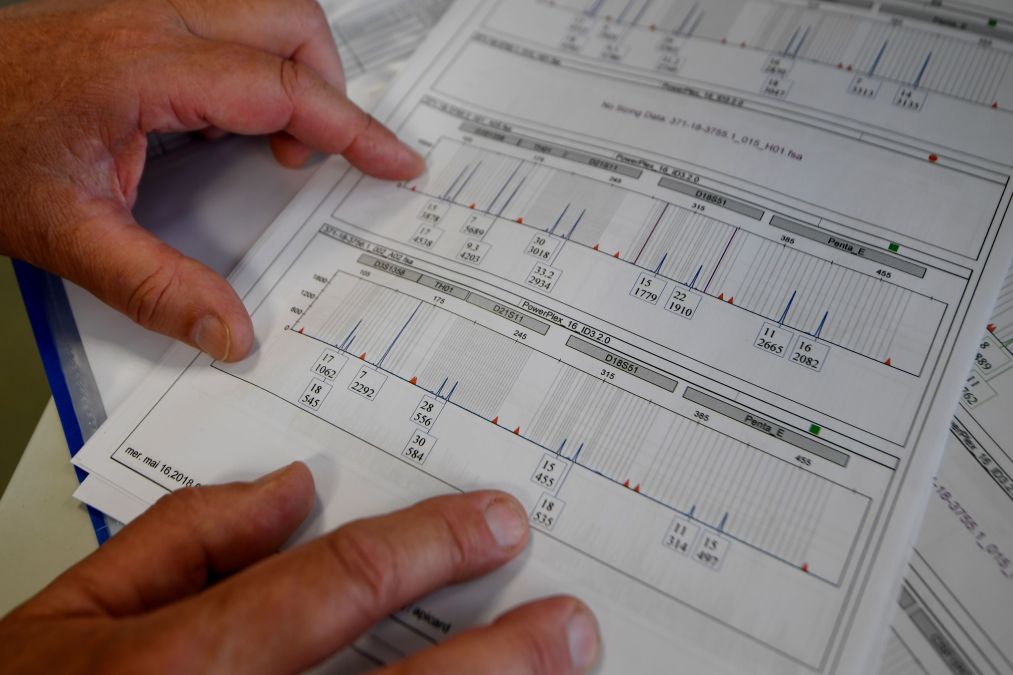
Now more than three weeks later, it is becoming clear that the DNA found at the scene of the crime may be the most important evidence. While there have been no matches on the DNA collected by law enforcement in criminal databases, there are other ways that the DNA could prove pivotal to locating the man responsible for forcibly taking Nancy from her home.
Experts Believe DNA Will Help Track Down the Suspect in the Nancy Guthrie Case
 Getty
GettyLast week, the Pima County Sheriff’s Department confirmed that DNA samples collected from gloves found near the crime scene had not found any matches in the Combined DNA Index System (CODIS). The FBI has also issued a fresh update over the weekend about the state of the investigation and how DNA analysis continues to take place on other evidence found in Nancy’s home.
Yet, even if law enforcement continues to find no matches in the CODIS database from the collected samples, DNA evidence could still be vital in tracking down the kidnapper.
That’s because police can rely on genealogy analysis to help track down the suspect. This is a process whereby DNA is converted into codes and then compared with records held on genealogy websites, where users have entered information to help locate family members and discover their ancestry.
According to Dr. David Mittelman, a genetic genealogist and CEO of Othram Inc. who spoke to NBC News, it is unlikely this will lead to a direct match but should point to relatives to narrow down the search significantly.
“So in the worst-case scenario, it’ll connect you to a very close relative, and the best-case scenario gets it to your person,” he said.
Unfortunately, it is a slow process and one that could take months to fully complete. However, genetic genealogy expert CeCe Moore told NBC News that she is “extremely hopeful” that this type of analysis would identify a suspect.
Mixed DNA May Cause Delays to the Investigation
 Getty
GettyOne of the main holdups in terms of getting answers from the DNA is the fact that the sample collected was mixed – a term that describes the fact the DNA sample is not from a single individual but also contaminated with other individuals’ DNA.
Pima County Sheriff Chris Nanos told NBC News that it could take “weeks, months or maybe a year” to get results. “We listen to our lab, and our lab tells us that there’s challenges with it,” he explained.
Genetic genealogist Moore explained to People the problems that come with analyzing mixed DNA. “A complex mixture is much more difficult to work with,” she said. “The more people you get in that DNA (sample), particularly unknown people’s DNA, the harder it is to just isolate one person’s out of that.”
“If I was the kidnapper, I would be extremely worried right now, particularly if I knew there was some kind of altercation, or I knew I touched things in there,” says Moore.
“It looked like he may have had a bite flashlight in his mouth,” she explains. “When you see him bending over toward the camera, I think it’s very possible saliva could have been left because of that.”
“And so he should be very concerned,” Moore said. “I think it would be extremely difficult to be in a location for approximately 40 minutes and not leave your DNA behind, even with the way he was dressed.”