
Duncan Sheik built a career that brought him the kind of recognition many musicians spend a lifetime chasing, but the “Barely Breathing” singer once explained why neither money nor awards represented his idea of true success.
Following news about Sheik in the final days of his life, attention has returned to a his career that stretched far beyond the song that first made him famous in the 1990s. Sheik died at age 56 on September 17. But years before his death, the singer and Broadway composer offered some revealing insight into how he measured a meaningful life.
Speaking with LOCAL Life in 2017, Sheik was asked a deceptively simple question: Was he a happy man? His answer revealed that conventional success wasn’t necessarily what he was chasing.
Duncan Sheik Said There Were ‘Two Kinds of Happiness’
Sheik told the publication that he believed there were “two kinds of happiness,” drawing a distinction between the satisfaction that comes with financial success and accolades and something he considered much deeper.
“There’s a surface kind of happiness: ‘Oh, I’ve made a lot of money or I won an award,’ and that’s fine,” Sheik explained.
For him, however, deeper happiness came from “creating value,” making something capable of moving other people and feeling connected to a community. “Creating value in the world can help you find a deeper happiness,” he added.
The philosophy fit the way Sheik described his relationship with music elsewhere in the same interview. He said he had been writing and making music since he was 6 and wanted his work to move people’s hearts and transport listeners somewhere “mysterious, enigmatic, beautiful” and “amazing.”
By that point, Sheik already knew plenty about the more conventional version of success he was describing.
Duncan Sheik’s ‘Barely Breathing’ Success Opened the First Chapter
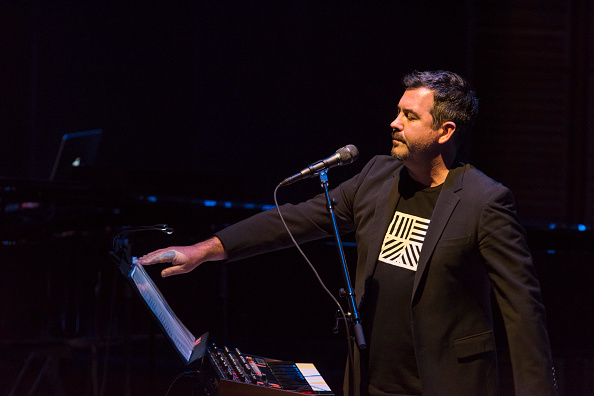
The Duncan Sheik “Barely Breathing” story began with his self-titled debut album in 1996. The single became his signature pop hit and later earned him a Grammy nomination for Male Pop Vocal Performance.
According to the Recording Academy, that nomination came at the 40th Grammy Awards, but it wouldn’t be the last time Sheik’s name appeared at the ceremony. Despite the song’s success, Sheik eventually found himself looking beyond the pop world.
In his LOCAL Life interview, the musician recalled that after releasing four albums during his time with Atlantic Records, he no longer felt much “kinship” with what was happening in pop music in the early 2000s. Rather than trying to recreate the success of “Barely Breathing,” he became eager to explore another medium. That decision led to an unlikely second act.
Sheik admitted that he didn’t particularly love how musical theater traditionally sounded, which gave him an idea: perhaps he could approach Broadway music differently. The experiment became “Spring Awakening.”
Duncan Sheik Found a Different Kind of Success on Broadway
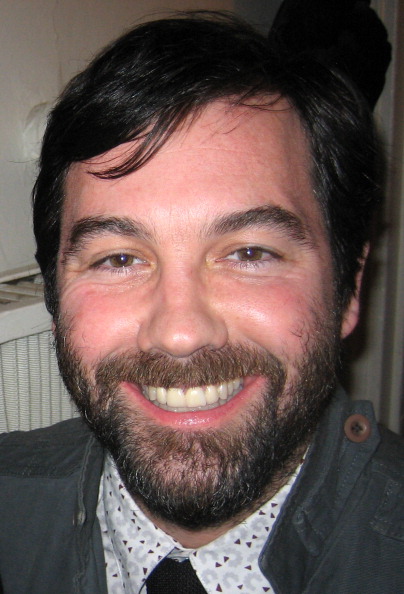
Sheik spent years developing “Spring Awakening” with lyricist and book writer Steven Sater. The musical eventually reached Broadway in 2006 and transformed the second phase of Duncan Sheik’s career.
At the 2007 Tony Awards, “Spring Awakening” won Best Musical, while Sheik won Best Orchestrations and shared the award for Best Original Score with Sater. The following year, Sheik and Sater were among the winners of the Grammy for Best Musical Show Album for “Spring Awakening.”
Sheik continued working in theater afterward, with projects including “American Psycho,” “The Secret Life of Bees” and “Alice by Heart.” Yet his comments years later suggest that the trophies weren’t necessarily what made that chapter fulfilling.
Speaking to the Recording Academy about musical theater, Sheik described the reward of sitting in an audience and watching the narrative, songs, staging and design finally come together into one experience.
That perspective echoed what he would later tell LOCAL Life about happiness. Duncan Sheik’s career ultimately brought chart success, a Grammy and Tony Awards, but Sheik seemed most interested in what the work could create for somebody else. For a musician who spent decades trying to move people through his songs, that may have been the measure of success that mattered most.