When longtime “Survivor” host Jeff Probst showed fans the first teaser trailer for the show’s upcoming 51st season during the finale of “Survivor 50: In the Hands of the Fans” on May 20, he revealed that the forthcoming installment will usher in an all-new “Open Era” of “Survivor.”
Set to premiere this fall on CBS, “Survivor 51” will reportedly build upon the unpredictability of the recently-wrapped anniversary season.
“For the first time ever, our entire history – every advantage, every idol, every twist we’ve ever done, 50 seasons of ‘Survivor’ – is in play…along with dangerous new elements never seen before,” Probst said in the promo, which similarly featured the first glimpses of the season’s all-new cast.
Dubbed the “Open Era” by the host, the next generation of “Survivor” will be “a shape-shifting game, changing without warning, creating permanent uncertainty.”
“Our job is to keep the game off balance,” Probst added of the newest era during the “Survivor” Emmys FYC event on May 19. “The teaser for 51 kind of speaks to where we want to take the show. You cannot let [future players] know what’s coming. They’re way too good.”
While we’ll have to wait until the season airs – likely sometime in September 2026 – to find out about the “dangerous new elements” being implemented, here’s a list of every twist, every idol and every advantage that could potentially come into play on “Survivor 51: The Open Era.”
Tribe Twists That Could Return in the ‘Open Era’
 CBS
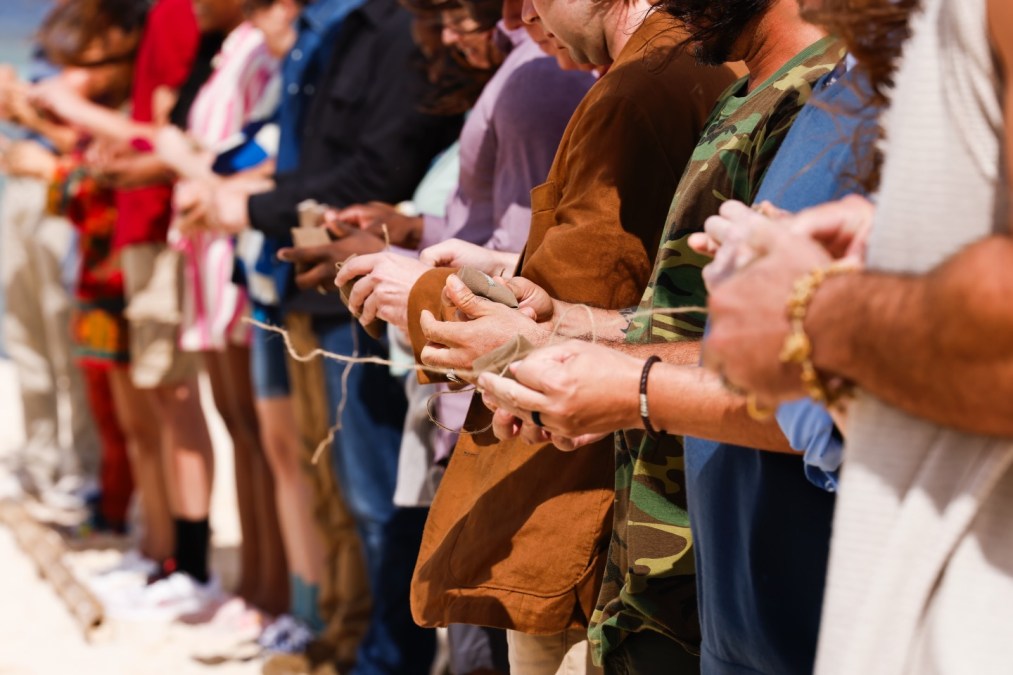
CBSSome “Survivor” twists are introduced as soon as the players step foot onto the beach, affecting the early days of the game in terms of tribe selection, camp life as the game progresses. Here are all the tribe-focused twists that fans could see return in Season 51.
Official Tribe Leaders: Castaways are given the opportunity to elect a single player as their tribe’s official leader. This player will make important decisions for the tribe regarding supplies, challenges and more.
- First introduced in: “Survivor: Samoa”
- Last implemented in: “Survivor: Ghost Island”
Schoolyard Tribe Selection: Castaways are given the opportunity to build their respective tribes from scratch through a schoolyard selection process.
- First introduced in: “Survivor: Thailand”
- Last implemented in: “Survivor: Gabon”
Journeys/Summits: Offers ambassadors from each pre-merge tribe the opportunity to meet in a private location, either to discuss an impending Merge or to make a vital decision for themselves or their tribes. Oftentimes allows players to earn an advantage, but could also result in the loss of their ability to vote at Tribal Council.
- First introduced in: “Survivor: Borneo”
- Last implemented in: “Survivor 50: In the Hands of the Fans”
Tribe Swaps: Randomly reshuffles tribes without notice. The first major game-changing twist ever implemented on “Survivor” and the origin of Probst’s now-iconic “Drop your buffs!” line.”
- First introduced in: “Survivor: Africa”
- Last implemented in: “Survivor 50: In the Hands of the Fans”
Mutiny Twist: Offers castaways the opportunity to voluntarily leave their original tribe and join the rival tribe.
- First introduced in: “Survivor: Thailand”
- Last implemented in: “Survivor: Tocantins”
Elimination Twists That Could Return in the ‘Open Era’
 CBS
CBSThe vast majority of jaw-dropping twists on “Survivor” have to do with unconventional or unexpected elimination circumstances. Here are all of the previously implemented elimination-focused twists that could potentially return in the show’s “Open Era.”
Redemption Island/Edge of Extinction: A format change that offers eliminated castaways the ability to earn their way back into the competition through “duels” with other eliminated contestants.
- First introduced in: “Survivor: Pearl Islands” (then called the “Outcasts” twist)
- Last implemented in: “Survivor: Winners at War”
Split/Double Tribal Councils: Forces castaways to either eliminate two competitors in back-to-back Tribal Councils, or to split off into smaller groups to attend two separate Tribal Councils in the same night. Regardless, both twists result in a double-elimination episode. “Survivor 50”s recent “Blood Moon” triple elimination would also fall into this category.
- First introduced in: “Survivor: Cook Islands”
- Last implemented in: “Survivor 50: In the Hands of the Fans”
Mergatory/Earn-the-Merge/Fake Merge: Forces rival tribes to live together on the same beach without being officially “Merged.” Often results in a split Tribal Council ceremony.
- First introduced in: “Survivor: Thailand”
- Last implemented in: “Survivor 50: In the Hands of the Fans”
Do-or-Die Twist: Forces a singular castaway to play a game of chance that will either grant them immunity, or result in their immediate elimination from the competition. MrBeast’s so-called “Super Beware Advantage” on “Survivor 50” is basically a glorified version of the New Era “Do-or-Die” twist.
- First introduced in: “Survivor 41”
- Last implemented in: “Survivor 50: In the Hands of the Fans”
Additional Twists That Could Return in the ‘Open Era’
 CBS
CBSSome “Survivor” twists extend beyond camp life while simultaneously having little to do with eliminations. Here’s some additional twists that could potentially return in “Survivor 51.”
Exile Island/Ghost Island: A game mechanic wherein contestants are “exiled” to a separate, secluded island without supplies or the ability to socialize/strategize with their fellow players. While on Exile (a.k.a ‘Ghost Island’ / ‘Island of the Idols’) players often have the ability to find a clue to a Hidden Immunity Idol or other advantage.
- First introduced in: “Survivor: Palau”
- Last implemented in: “Survivor 50: In the Hands of the Fans”
Do-It-Yourself Challenges: Requires castaways to conduct an immunity or reward challenge independently without supervision from the host. Contestants must devise the challenge, run it, and determine a winner entirely on their own.
- First introduced in: “Survivor: Samoa”
- No. of seasons implemented: Six of 50
First Impressions Twist: Prior to the establishment of tribes, forces castaways to vote on the player or players they want to eliminate based solely on first impressions. While the twist has resulted in the elimination of players in the past, it more often offers the selected castaways a special condition in the game instead.
- First introduced in: “Survivor: Tocantins”
- Last implemented in: “Survivor: Cagayan”
Hidden Immunity Idols That Could Return in the ‘Open Era’
 CBS
CBSThe Hidden Immunity Idol is a long-standing symbol of the “Survivor” franchise. In its basic form, it offers players the ability to avoid elimination by negating any votes cast against them at Tribal Council. That being said, several iterations of the Immunity Idol have been implemented over the last 26 years. Here’s every Idol that could return in “Survivor 51.”
Standard Hidden Immunity Idols: Offers castaways to save themselves or their ally from elimination by negating all votes cast against them at Tribal Council. Must be played before the votes are read. Often expires at Final Five.
- First introduced in: “Survivor: Guatemala”
- Last implemented in: “Survivor 50: In the Hands of the Fans”
Super Immunity Idols: Works similarly to a standard Hidden Immunity Idol, but with the stipulation that it can be played after the votes have been read at Tribal Council. Oftentimes requires players to complete extra steps to discover/activate/use the Idol.
- First introduced in: “Survivor: Panama”
- Last implemented in: “Survivor: Heroes vs. Healers vs. Hustlers”
Split Immunity Idols: Hidden Immunity Idols that are split into multiple (usually two) separate pieces that must be reunited in order to be played at Tribal Council.
- First introduced in: “Survivor: Heroes vs. Healers vs. Hustlers”
- Last implemented in: “Survivor: Winners at War”
Boomerang Idols: Once discovered by a castaway, the Boomerang Idol must be sent to a castaway on a rival tribe. That castaway can then use the Idol at their leisure, though only to save themself from elimination. It cannot be played to save an ally. If the receiver is voted out with the Idol still in their pocket, it will “boomerang” back to its original owner.
- First introduced in: “Survivor 50: In the Hands of the Fans”
Voting Booth Advantages That Could Return in the ‘Open Era’
 CBS
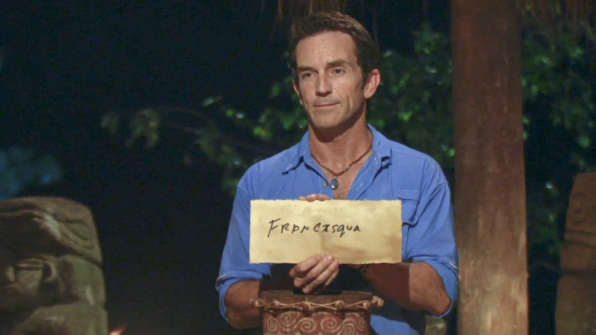
CBSA plethora of non-Idol advantages have littered the beaches of “Survivor” for years. Here is every vote-focused advantage that could potentially return in the “Open Era.”
Idol Nullifier: Allows the user to negate the effects of another player’s Hidden Immunity Idol at Tribal Council. Must be played before the votes are read and before the Idol is played, making it notoriously difficult to play successfully.
- First introduced in: “Survivor: Millennials vs. Gen X”
- Last implemented in: “Survivor: Winners at War”
Safety Without Power: An advantage that guarantees its holder with immunity from elimination while requiring them to surrender their ability to vote at Tribal Council.
- First introduced in: “Survivor: Island of the Idols”
- Last implemented in: “Survivor 48”
Steal-A-Vote: Allows a singular player to steal a vote from one of their competitors. The user will be able to cast two votes at Tribal Council, while the player they stole from will not vote.
- First introduced in: “Survivor: Cambodia”
- Last implemented in: “Survivor 50: In the Hands of the Fans”
Block-A-Vote: Prevents a singular player from casting a vote at Tribal Council.
- First introduced in: “Survivor: Heroes vs. Healers vs. Hustlers”
- Last implemented in: “Survivor 50: In the Hands of the Fans”
Extra Vote Advantage: Allows a player to cast two votes at a single Tribal Council ceremony.
- First introduced in: “Survivor: Worlds Apart”
- Last implemented in: “Survivor 50: In the Hands of the Fans”
Bank-Your-Vote: Allows its user to earn an extra vote at a future Tribal Council by abstaining from voting at a preceding one.
- First introduced in: “Survivor: Heroes vs. Healers vs. Hustlers”
- Last implemented in: “Survivor 44”
Goodwill Advantage: Allows its user to restore their ability to vote at any Tribal Council in which they otherwise wouldn’t have been able to.
- First introduced in: “Survivor 45”
Old-School Advantages That Could Return in the ‘Open Era’

Additional advantages focus more so on players’ ability to succeed in challenges or avoid elimination outside of the voting booth. Here are all the non-vote-focused advantages that first appeared in the “old-school” era (pre-Season 40) that could potentially be recycled for the “Open Era.”
Medallion of Power/Challenge Advantages: The so-called “Medallion of Power” gave tribes the ability to have a minor advantage in group challenges. If used, however, the medallion’s power would then transfer to the rival tribe and so on. It was later replaced with one-off “Challenge Advantage” notes, typically awarded to singular players after the Merge.
- First introduced in: “Survivor: Nicaragua”
- Last implemented in: “Survivor 50: In the Hands of the Fans”
50/50 Coin: Offers castaways the ability to flip a coin for a 50/50 chance at immunity. The advantage was only used once in franchise history, during “Survivor: Winners at War,” and was only available to be purchased by castaways who had collected enough Fire Tokens.
- First introduced in: “Survivor: Winners at War”
Fake Immunity Idol Kit: A kit that provides castaways with all the necessary tools and supplies to craft a convincing fake Immunity Idol.
- First introduced in: “Survivor: Game Changers”
Legacy Advantage: An advantage presented to a singular castaway early in the game that cannot be used until much later in the competition, often at awarding Immunity at specific Tribal Council ceremonies. If the owner of the advantage is eliminated before they can use it, the advantage must be bequeathed to another player still in the competition.
- First introduced in: “Survivor: Millennials vs. Gen X”
- Last implemented in: “Survivor: Ghost Island”
Juror Removal: Awards a singular post-Merge player with the ability to remove one previously eliminated contestant from the Jury.
- First introduced in: “Survivor: Kaoh Rong”
New Era Advantages That Could Return in the ‘Open Era’
 CBS
CBSPlenty of “Survivor” advantages are relatively recent, having first appeared during the so-called “New Era,” which began with Season 41 in 2021. Here are all the “New Era” advantages that could potentially be returning for the “Open Era” in Season 51.
Shot in the Dark: Gives players a one in six chance at Immunity at Tribal Council. While every player receives a singular “Shot in the Dark,” they must sacrifice their ability to vote in order to play it.
- First introduced in: “Survivor 41”
- Last implemented in: “Survivor 50: In the Hands of the Fans”
Knowledge is Power: Allows its user to steal another player’s idol or advantage at Tribal Council. The user must have prior knowledge that the player they’re asking actually has an advantage in their pocket, otherwise it won’t work and the advantage will be flushed.
- First introduced in: “Survivor 41”
- Last implemented in: “Survivor 49”
Hourglass Advantage: Allows its user to unilaterally reverse the results of an Immunity challenge, often during the so-called “Mergatory.” Players who were once at risk of elimination become immune and vice versa.
- First introduced in: “Survivor 41”
- Last implemented in: “Survivor 42”
Choose Your Champion: Allows its user to earn immunity by correctly predicting who will win an upcoming Immunity challenge.
- First introduced in: “Survivor 43”
Advantage Amulet: A shared advantage that grows in power as fewer holders remain in the game. With three holders the advantage acts as an Extra Vote. With two holders it acts as a Steal-A-Vote. When only one holder remains, it acts as a standard Hidden Immunity Idol.
- First introduced in: “Survivor 42”
- Last implemented in: “Survivor 47”
Beware Advantage: Offers a player Immunity, but only if they’re able to complete a specific task or challenge. Players holding the Beware Advantage lose their ability to vote until the task is completed.
- First introduced in: “Survivor 41”
- Last implemented in: “Survivor 50: In the Hands of the Fans”
Inheritance Advantage: Allows its user to pocket all advantages and idols played at a single Tribal Council. Must be played while casting their vote.
- First introduced in: “Survivor 44”