



Christy Carlson Romano is reflecting on Hayden Panettiere’s death while raising concerns about the lasting impact of growing up in the spotlight.
Romano recalled being unable to sleep when she picked up her phone and saw the news.
“Another performer I grew up with, gone too soon,” she wrote.
While Romano and Panettiere never worked onscreen together, according to Entertainment Weekly, they belonged to the same generation of young Hollywood stars. Panettiere’s career started particularly early. Per Us Weekly, she signed with Wilhelmina Models at 8 months old and landed her first commercial before her first birthday.
For Romano, Panettiere’s death brought up a larger conversation about what can happen when children grow up working in an adult industry.
Christy Carlson Romano Compares Early Fame to ‘Repeated Impact’
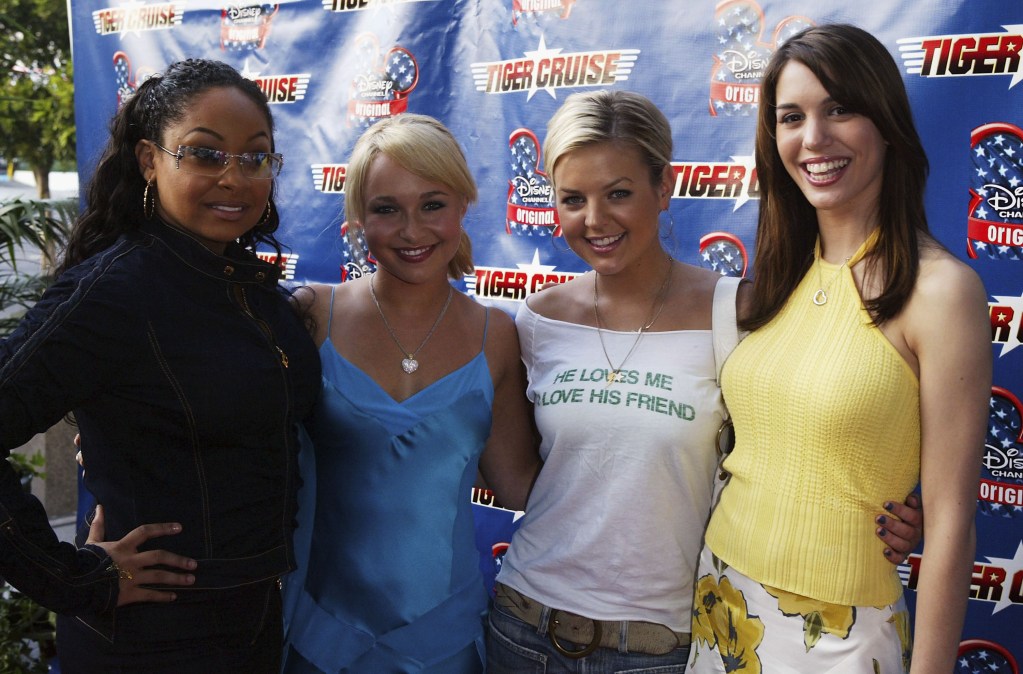
In her Elle essay, Romano compared early fame to CTE, but clarified that she was not making a medical diagnosis. Instead, she used the comparison to describe the possible effects of repeated stress and pressure over time.
Romano pointed to the constant rejection child actors can experience through auditions, followed by intense attention if they become successful. She also cited public scrutiny, adult expectations and a loss of privacy as pressures that can become part of a young performer’s childhood.
“Early fame is like CTE,” Romano wrote. “Not as a diagnosis. As a way of thinking about repeated impact.”
She questioned why protections have been developed to address the long-term physical risks young athletes face while she believes similar attention has not been given to the emotional and psychological needs of children working in entertainment.
Romano also argued that former child stars are often judged for their struggles as adults without enough attention being paid to what they experienced growing up.
Panettiere had previously spoken about some of those experiences herself. According to Us Weekly, she said earlier this year that she experienced an “identity crisis” around age 12 after spending much of her childhood portraying different characters. By 16, Panettiere said she felt like there was a “big target” on her back as she faced increased media scrutiny.
Panettiere had been candid about her struggles with addiction. In her memoir, “This Is Me: A Reckoning,” the actress claimed a publicist gave her what was described as a “happy pill” before red carpet appearances when she was 16. Panettiere later spoke openly about struggling with alcohol and substance abuse.
Romano Is Sharing Her Own Child Star Experience
Romano’s reflections come ahead of the release of her own memoir, “Once Upon a Trainwreck: The Fall and Rise of a Child Star,” on Oct. 6.
Romano entered show business while still in elementary school and was starring in major Disney Channel projects by her teens, including “Even Stevens,” “Kim Possible” and “Cadet Kelly.”
Her upcoming book will explore the less glamorous parts of that experience, including bullying, exploitation, pressure to be perfect and her own struggles with addiction. Romano previously described the memoir as “risky” and “honest” after spending two years writing it.
She has also used her “Vulnerable” podcast to speak with other former young performers and discuss their experiences in the entertainment industry.
Still, Romano made clear that she was not reducing Panettiere to an example in a larger conversation. Toward the end of her essay, she said she was thinking about Panettiere, her daughter and the people who knew and loved her personally.
Romano also called for greater protections for children currently working in entertainment and warned against assuming former child stars are doing well simply because they continue to work or appear happy publicly.
“Some of them are not unscathed,” Romano wrote. “Some of them are simply still performing.”
![Charlize Theron’s Spooky Disneyland Trip Includes Hilarious On-Ride Snaps & Rare Pics of Her Daughters [PHOTOS]](https://entertainmentnow.com/wp-content/uploads/2026/10/GettyImages-2296147982-e1791963745439.jpg?quality=65&strip=all&w=425)











Comments
Christy Carlson Romano Reflects on Hayden Panettiere and Cost of Child Fame