


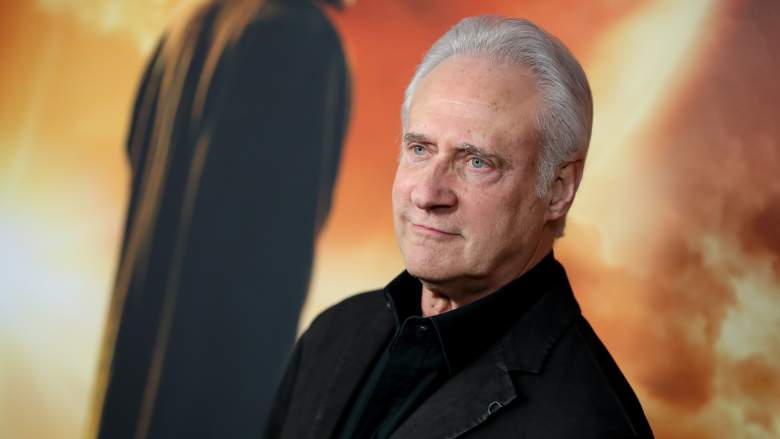
Brent Spiner has spent nearly 40 years hearing how much his character Data from “Star Trek: The Next Generation” meant to fans, and he still insists he does not deserve the credit.
In an interview with SlashFilm earlier this year at New York Comic Con, Spiner was asked about the android character’s lasting place in pop culture. Data, the android whose central character arc is fixed on his quest to seek his own humanity despite being incapable of experiencing human emotion, has been widely viewed as one of science fiction’s unofficial avatars for neurodivergence.
Many viewers have long seen Data as someone on the outside of human experience, understanding emotions in theory but struggling to feel and manage them. For fans who live that experience, the character Data has been a source of recognition and comfort.
Unintentionally Touching Fans Across Generations
Spiner deflected the implication, not that Data has not truly touched many fans’ lives, but that Spiner has anything to do with it.
“I wouldn’t be so arrogant as to say I had anything to do with the acceptance of neurodivergence, or anything else for that matter,” he said. “It was a role. A really sweet, good role, and I’m glad if it did have that effect, but I know it wasn’t intentional.”
What Spiner cannot deny is the amount of fans that have approached him in person to thank him for his portrayal of the character. He described meeting many young people, including fans on the autism spectrum, who told him Data helped them when they struggled to relate to the human experience. For them, Data was going through something similar. His portrayal of the android provided representation for them on television. Spiner, however, said he had nothing to do with it beyond being there, and that he was happy to be.
“I was just an unknowing conduit for people just to feel better about themselves. And that’s all I–that makes me really happy,” he told SlashFilm at New York Comic Con this year.
Building a Lasting Legacy
“Star Trek” was and remains a landmark show in many respects, but it is perhaps known best for its unique cast of characters. Across series, “Star Trek” always finds ways to challenge the traditional notions of the ideas and identities we hold for granted.
SlashFilm bridges the connection from series to series, though, pointing out that it is within the tradition of the franchise to explore characters who challenge the nature of humanity. For instance, Robert Picardo’s Doctor and Jeri Ryan’s Seven of Nine from “Star Trek: Voyager,” and Leonard Nimoy’s Spock in the original series, all explore their humanity from the outside looking in. As “Star Trek” marks its 60th anniversary this year, that tradition continues to make the franchise feel welcoming to a wide spectrum of viewers while opening others to the varieties of the human experience.
Spiner appears alongside “The Next Generation” costar Jonathan Frakes on their podcast “Dropping Names” every Wednesday. They invite guest stars on to discuss the industry and stories from the dog days of the careers.









Brent Spiner Explains Why He Won’t Take Credit For Data’s Legacy — “Just An Unknowing Conduit”