


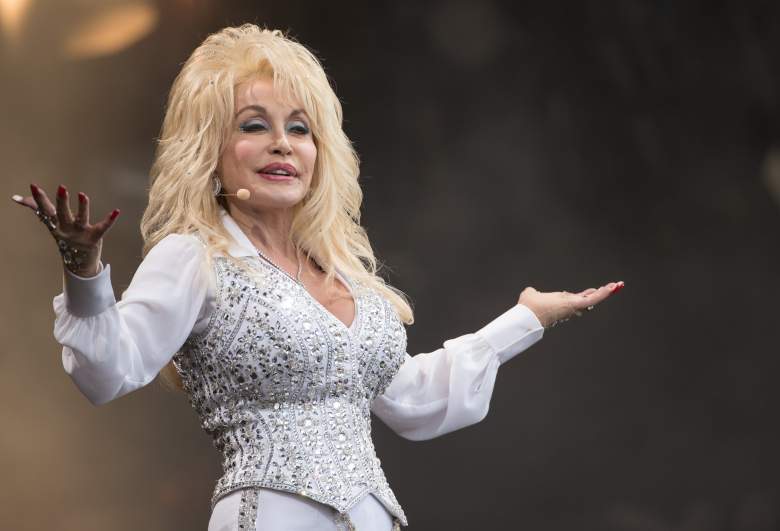
Dolly Parton’s legend lives on. And now she’s living on through an adorable red panda cub.
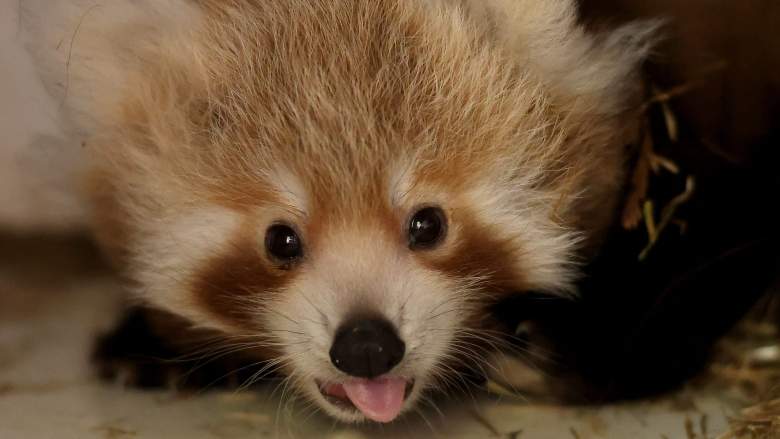
The National Zoo revealed that the cub has been named after the country music legend. The zoo announced the news on its Facebook page on October 20, 2026, complete with a photo of the cub.
You can see a photo of Dolly, the red panda cub, here.
“Drum roll please!” the post began. “Put your paws together for our newly named red panda cub! With flaming locks of auburn fur and a cuteness that extends beyond the hours of 9 to 5, this little firecracker officially has a name: Dolly!” Dolpa and Pyra were some of the rejected names, according to The Washington Post.
The cub was “born in Front Royal, Virginia, at the Smithsonian’s National Zoo and Conservation Biology Institute,” The Post reported.
More Than 20,000 People Cast Votes to Select the Name for the Red Panda Cub
Parton was obviously a beloved figure to many people, and her emotional ties with the public were clear again from the vote totals. The zoo asked the public to vote on the name.
“More than 20,000 votes were cast in the effort to name her, and the name “Dolly” earned nearly 65% of the vote!” the post says. “Thank you to everyone who participated and shared. Stay tuned for more updates on Dolly and her companions!”
Fans weighed in on the selection on the zoo’s Facebook thread. “With flaming locks of auburn hair, shouldn’t she have been named ‘Jolene’?” wrote one person. “Hello Dolly! It’s so nice to have you back where you belong!” another person wrote.
“That fluffy little red panda cub peeking over the log is almost too cute to handle. Congratulations on the big name reveal!” added another fan. “Plot twist: She is the reincarnation of Dolly Parton,” wrote another person.
What Are Red Pandas?
You don’t often think of pandas as being red. “Red pandas, like giant pandas, are bamboo eaters native to Asia’s high forests. Despite these similarities and their shared name, the two species are not closely related. Red pandas are much smaller than giant pandas and are the only living member of their taxonomic family,” the National Zoo explains.
“Red pandas can be easily identified by their unique ruddy coat color, which acts like camouflage within the canopy of fir trees where branches are covered with clumps of reddish-brown moss and white lichens,” added the zoo.
“They have large, round heads and short snouts with big, pointed ears. Their faces are white with reddish-brown ‘tear’ marks that extend from the eyes to the corner of the mouth. These markings could have evolved to help keep the sun out of their eyes. Their tails are marked with alternating red and buff rings,” the zoo wrote. “Red pandas live in high-altitude, temperate forests with bamboo understories in the Himalayas and other high mountains. They range from northern Myanmar (Burma) to the west Sichuan and Yunnan Provinces of China.”















Comments
Dolly Parton Lives on in Red Panda Cub at National Zoo: See the Photo