



Gio Benitez is known to ABC viewers as co-anchor of “Good Morning America Sunday,” in addition other duties throughout ABC News.
Despite taking great care of himself, maintaining a healthy diet and exercising regularly, he’s coming forward to reveal a recent health diagnosis that left him shocked.
He Began ‘Thinking the Worst’

In a new interview with People, Benitez opens up about being diagnosed with coronary artery disease, which the magazine describes as “a condition caused by plaque buildup in the arteries supplying blood to the heart.”
Benitez admitted the diagnosis struck him to his core, since heart disease has ravaged his family for generations.
“I actually had panic attacks every night for about a week after I heard,” Benitez told People. “My husband would go to sleep or I’d been in my hotel room, because I was traveling for work, and that’s when I would literally just start thinking the worst.”
Benitez, who is married to entertainment reporter Tommy DiDario, admitted that those anxiety attacks often drove him to tears as he remembered relatives who’d unexpectedly passed away due to heart disease — and imagined experiencing the same thing.
“My grandmother, 61 years old — died of a heart attack. My aunt had heart attack in her sleep, also young. My uncle? Heart attack. He was young, too. My other uncle, another heart attack, also young,” he explained.
Looking on the other side of his family tree, he pointed to his grandfather, who’d undergone triple bypass surgery, and his grandmother, who took medication for pressure in her chest.
“It was literally everywhere all around me,” Benitez said. “So I was always sort of panicked around it, even though doctors over the years told me everything’s fine. But when I got the diagnosis, with the kind of heart health trauma that I have in my life, that’s something that I started thinking about myself. ‘Is this going to happen to me tonight? Is this it? Will I close my eyes and just never open them again?’”
‘My Worst Fear, Coming True’
Interestingly, the impetus behind his diagnosis was a conversation with ABC News’ chief medical correspondent Dr. Tara Narula, who is also a board-certified cardiologist.
According to Benitez, about a year earlier he was working with her on a health segment when he mentioned his concerns about his family history of heart disease. She invited him to visit her office, and after examining his medical history recommended he undergo a coronary artery calcium scan to see if there was any plaque buildup in his arteries.
Benitez admitted that he procrastinated on getting those tests. “I sort of pushed it off to the point where I just forgot about it,” he says.
Just a few weeks ago, he decided he should finally just go ahead and do it. As doctors explained, the scan’s results were then transposed to a score, with anything over 100 placing a patient at elevated risk for cardiovascular problems.
Benitez, believing himself to be in excellent health, anticipated a score of zero — and was stunned when the results arrived, indicating he’d scored 137.
“I couldn’t believe it. My other tests were fine and now here it was — my worst fear, coming true,” he recalled. “How could this be happening?”
When looking Benitez’s case, Dr. Narula pointed to his family history as a key indicator. “He’s a perfect example of someone where they have all the other markers really nicely lined up, but it’s just their genetics that can be so strong.”
According to Dr. Narula, Benitez’s diagnosis doesn’t indicate the degree to which his arteries have narrowed, but she recommened he take immediate steps to reduce the risk of suffering a heart attack ofr stroke.
Treatment, she explained, usually involves cholesterol-lowering medications such as statins, which prevent further plaque buildup, in addition to a daily dose of Aspirin. She also recommends regular exercise, a heart-healthy diet, managing stress and getting enough sleep.
As she explained, the goal isn’t to eliminate heart disease, but to halt its progress.
Treatment Helped Put His Mind at Ease
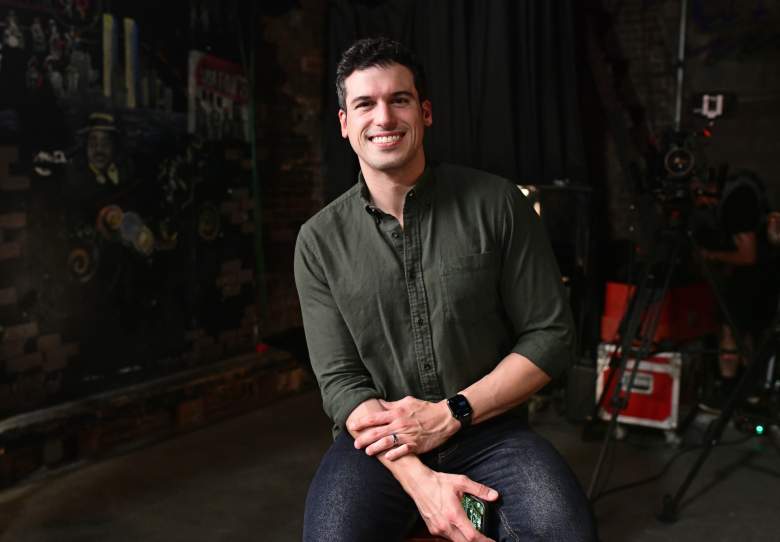
Meanwhile, Benitez has been following that treatment advice for just one week, and is already seeing results. “I’m feeling really, really good,” he told People. “What she said would happen is happening. So that’s helped put my mind at ease.”
His rapid response to treatment has made him wonder if his late relatives could have lived longer had they followed a similar regimen. That, he explained, was the impetus for his decision to go public with his diagnosis.
“I know that I literally just found this out, but I kind of want to scream it from the rooftops,” he said. “If there is any risk for you, I want you to do this; I want you to have this conversation with your doctor. Even if you feel fine, something could be lurking that isn’t fine.”















‘GMA’ Anchor Reveals Shocking Diagnosis: ‘My Worst Fear, Coming True’