Coyote vs. Acme arrives with the kind of energy you don’t expect from a Looney Tunes feature; experimental, strange, and surprisingly heartfelt. It’s a film that treats its animated icons not as nostalgia pieces, but as characters who’ve lived in the cultural imagination for nearly 80 years. The result is a hybrid comedy that mixes hand‑drawn slapstick with modern 3D animation; corporate satire; and a genuinely compelling underdog story.
A Bold Left at Albuquerque; Looney Tunes Chaos Transposed to 3D and Practical Effects
Will Forte stars as a personal‑injury attorney whose life is falling apart; living in a hotel, barely scraping by, and suddenly thrust into representing Wile E. Coyote in a lawsuit against cartoon corporate giant ACME. Forte plays it straight; grounded, anxious, and believably interacting with a cartoon character in a way that recalls Bob Hoskins in Who Framed Roger Rabbit or Brendan Fraser in Looney Tunes: Back in Action. His physical comedy is sharp; his panic is real; and his chemistry with Wile E. Coyote gives the film its emotional center.

The animation is a standout. The film blends traditional squash‑and‑stretch physics with 3D assets that somehow never clash; realistic textures coexist with classic cartoon exaggeration, giving each gag a tangible weight. When a practical effect hits Forte, it feels faster and harsher than anything achievable with pen and ink; yet the film still respects the original Looney Tunes style. Sight gags, explosions, and slapstick are staged with a mix of practical effects and CGI that mostly work; though some compositing and shadow issues occasionally peek through.
Antagonist ACME; A Bureaucratic Squash-and-Stretch Satire
The corporate satire is unexpectedly sharp. ACME is portrayed as an oppressive, absurdly bureaucratic giant; complete with malfunctioning products, legal stonewalling, and a team of lawyers including a memorable performance from John Cena. The script is lean; funny; and accessible whether you’re a lifelong Looney Tunes fan or someone who deals with legalese in everyday life. The courtroom scenes are tense and cleverly shot; close‑ups, shifting lenses, and escalating stakes give the film a dramatic backbone beneath the comedy.
The supporting cast adds texture. Paige, played by Lana Condor, brings a fresh energy; while deep‑cut Looney Tunes characters like Taz, Daffy, Dr. Lorre, and even the red monster appear in ways that feel both nostalgic and newly interpreted. One of the film’s boldest choices is treating the aforementioned Peter Lorre’s classic Looney Tunes caricature as a fully realized character; not a cameo, but someone with agency and narrative weight. It’s a surprising, respectful nod to his contributions to animation history.
The emotional core lands harder than expected. Forte’s character sees Wile E. Coyote not as an animal, but as a client; someone trapped in a fate he never asked for. Their bond grows through danger, frustration, and genuine care; and when Forte’s anger flares late in the film, the animated reactions carry real guilt and weight. It’s a David‑and‑Goliath story; a fight against a corporation that takes immeasurable amounts from its protagonists, human and toon alike.
The Miracle of Fate; A Courtroom Drama That Almost Never Saw the Light of Day
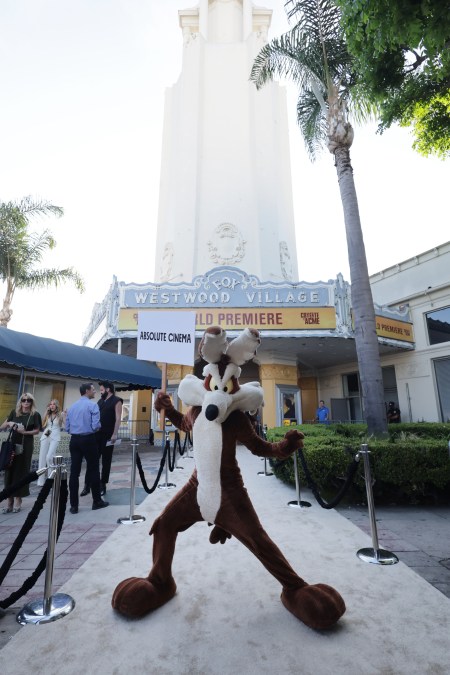
Not everything is perfect. Some CGI elements could be improved; certain lighting effects don’t track realistically; and a few scenes show layering issues. But the practical effects, stunt work, and commitment to blending mediums make the film feel alive. Licensed music is used well; montages are edited with energy; and recurring gags add meaningful chaos throughout the brisk 100‑minute runtime.
What lingers most is how close this film came to never being seen. After watching the stunt work, acting, writing, and sheer effort on display, it’s almost unbelievable that Coyote vs. ACME could have been shelved. Its release feels like a small miracle; an underdog story both on‑screen and behind the scenes.
In the end, Coyote vs. Acme is a charming, ambitious little film that respects Looney Tunes history while pushing the medium into new territory. It’s funny, heartfelt, and surprisingly thoughtful; a modern cartoon‑reality hybrid that earns its place among the greats.